Red Giant · Guide
Evolution of BTL Marketing: Adapting to Consumer Trends
Get a costed plan WhatsApp usor call +254 702 826 207
- 4.7 Google rating
- 14+ years running events in Kenya
- Every line costed — nothing hidden
Starlink · Mastercard · MultiChoice · Safaricom · Kenchic

The Evolution of BTL Marketing: Adapting to Consumer Trends
Introduction
In the ever-evolving world of marketing, staying ahead of consumer trends is key to success. One strategy that has proven to be effective in reaching consumers directly is Below The Line (BTL) marketing. BTL marketing focuses on targeted, personalized interactions with consumers rather than mass advertising. Let’s dive into how BTL marketing has evolved over the years to adapt to changing consumer behaviors.
What is Below The Line Marketing?
Below The Line marketing encompasses a variety of strategies such as experiential marketing, direct mail, email marketing, and promotions. These tactics are designed to create a more personal connection with consumers, engaging them on a one-on-one level. BTL marketing allows brands to tailor their messaging to specific target audiences, making it a highly effective method of reaching consumers in today’s competitive marketplace.
The Rise of Experiential Marketing
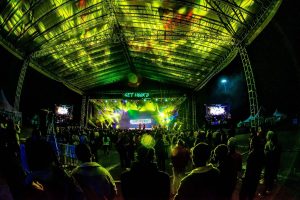
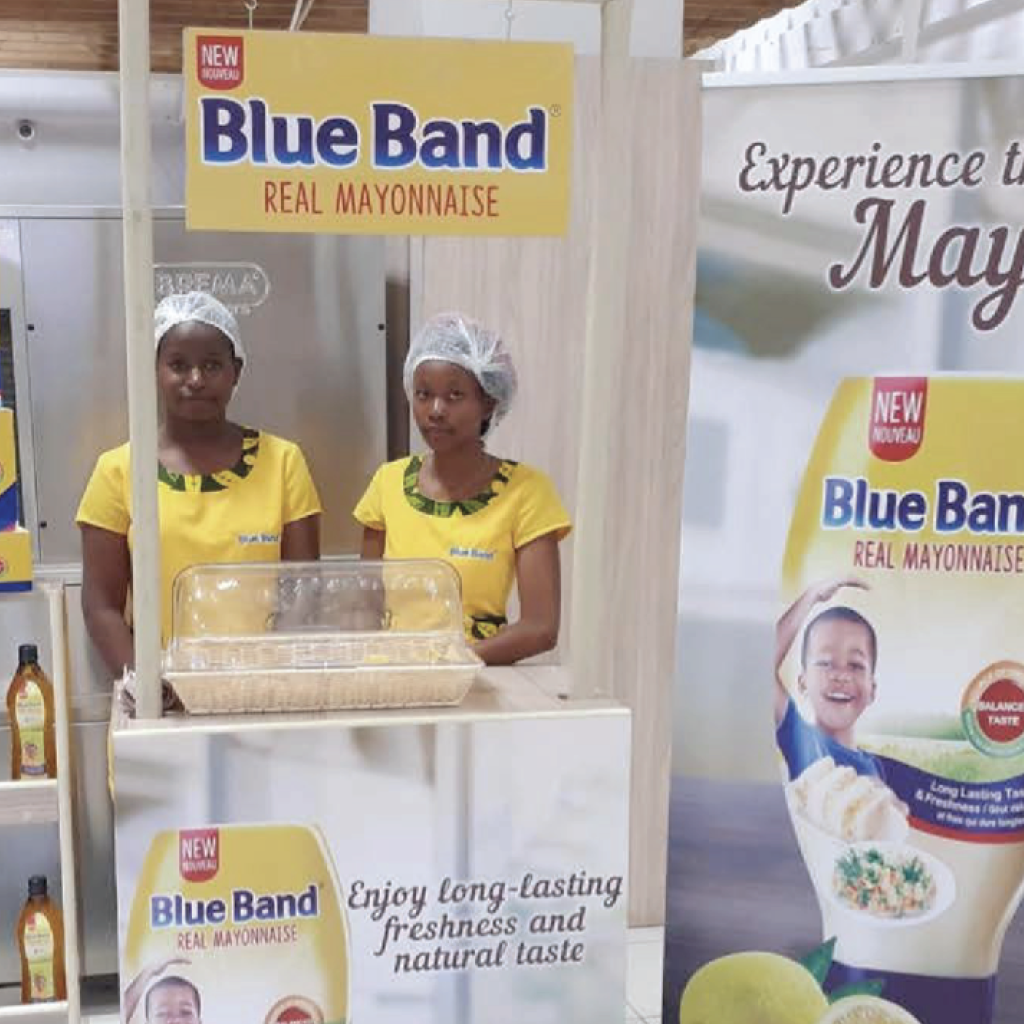
One of the most prominent trends in BTL marketing is the rise of experiential marketing. This strategy focuses on creating memorable experiences for consumers, rather than simply selling a product or service. From pop-up events to interactive installations, experiential marketing has become a go-to tactic for brands looking to engage with consumers in a more meaningful way.
Personalized Direct Mail and Email Marketing
In the age of digital marketing, direct mail and email marketing may seem outdated, but they are still highly effective tools in the BTL marketing arsenal. By personalizing messages and offers, brands can cut through the clutter of the digital world and connect with consumers on a more intimate level. Direct mail and email marketing campaigns allow for targeted messaging that resonates with consumers, driving engagement and ultimately, sales.
Adapting to Consumer Trends
As consumer behaviors continue to evolve, BTL marketing strategies must also adapt to meet the changing needs and preferences of consumers. Brands are now focusing on creating seamless omnichannel experiences that seamlessly blend online and offline interactions. This approach allows for a more holistic view of the customer journey, resulting in more personalized and effective marketing campaigns.
The Power of Data-Driven Marketing
Data-driven marketing has become a critical component of BTL strategies, allowing brands to leverage consumer data to create targeted campaigns. By analyzing consumer behavior and preferences, brands can tailor their messaging to resonate with specific segments of their target audience. This personalized approach not only drives engagement but also fosters brand loyalty and long-term customer relationships.
The Role of Social Media in BTL Marketing
Social media has transformed the way brands engage with consumers, making it an essential tool in any BTL marketing strategy. Platforms like Instagram, Facebook, and Twitter provide a direct line of communication between brands and consumers, allowing for real-time interaction and feedback. Brands are now leveraging social media to create immersive experiences, drive engagement, and build brand awareness in ways never before possible.
Conclusion
As consumer behaviors continue to shift, BTL marketing must evolve to meet their changing needs and preferences. By embracing trends such as experiential marketing, personalized direct mail and email campaigns, and data-driven strategies, brands can create more meaningful connections with consumers. Staying ahead of the curve and adapting to consumer trends is key to success in today’s competitive marketplace.
Ready to elevate your experiences to the next level? Dive deeper into the world of unforgettable events management, cutting-edge experiential marketing, dynamic expos booths, seamless audiovisual production, and team-building activities adventures with Red Giant Media Agency. Head over to our page now and let the extraordinary journey begin at Red Giant Media Agency or call 0702 826207.