Concept Ideation, PR and Media Relations, Experiential Activities, Audio Visual Management, Event Planning and Management, Photography and Videography.
Concept Ideation, PR and Media Relations, Experiential Activities, Audio Visual Management, Event Planning and Management, Photography and Videography.
Concept Ideation, PR and Media Relations, Experiential Activities, Audio Visual Management, Event Planning and Management, Photography and Videography.
Concept Ideation, PR and Media Relations, Experiential Activities, Audio Visual Management, Event Planning and Management, Photography and Videography.
Concept Ideation, PR and Media Relations, Experiential Activities, Audio Visual Management, Event Planning and Management, Photography and Videography.
Concept Ideation, PR and Media Relations, Experiential Activities, Audio Visual Management, Event Planning and Management, Photography and Videography.
Concept Ideation, PR and Media Relations, Experiential Activities, Audio Visual Management, Event Planning and Management, Photography and Videography.
Concept Ideation, PR and Media Relations, Experiential Activities, Audio Visual Management, Event Planning and Management, Photography and Videography.
Concept Ideation, PR and Media Relations, Experiential Activities, Audio Visual Management, Event Planning and Management, Photography and Videography.
When It Comes To Experiential Marketing activations we do Bar, Instore, Mall, Roundabout, Van, Roadshow, Street, Flier Distribution, Modern Trade/Supermarket And Any Other Activation You Can Think Of.
EVENTS
We Handle Disruptive Top-Tier World Class Event Planning And Management For Product Launch, Concerts, Festivals, Conferences, Corporate Galas, End Of Year Parties, Award Ceremonies, Charity Events, AGMs, Sport / Stadium Events Etc. When It Comes To Event Planning And Event Management, You Name It, We Deliver It.
PRODUCTIONS
Welcome To The Pinnacle Of Media Production. When It Comes To Storytelling We Do It Best. From Photography, Documentaries, Videography, Podcast Recording, Voice Overs, And Commercials, Red Giant Does It All.
STAFF ENGAGEMENT
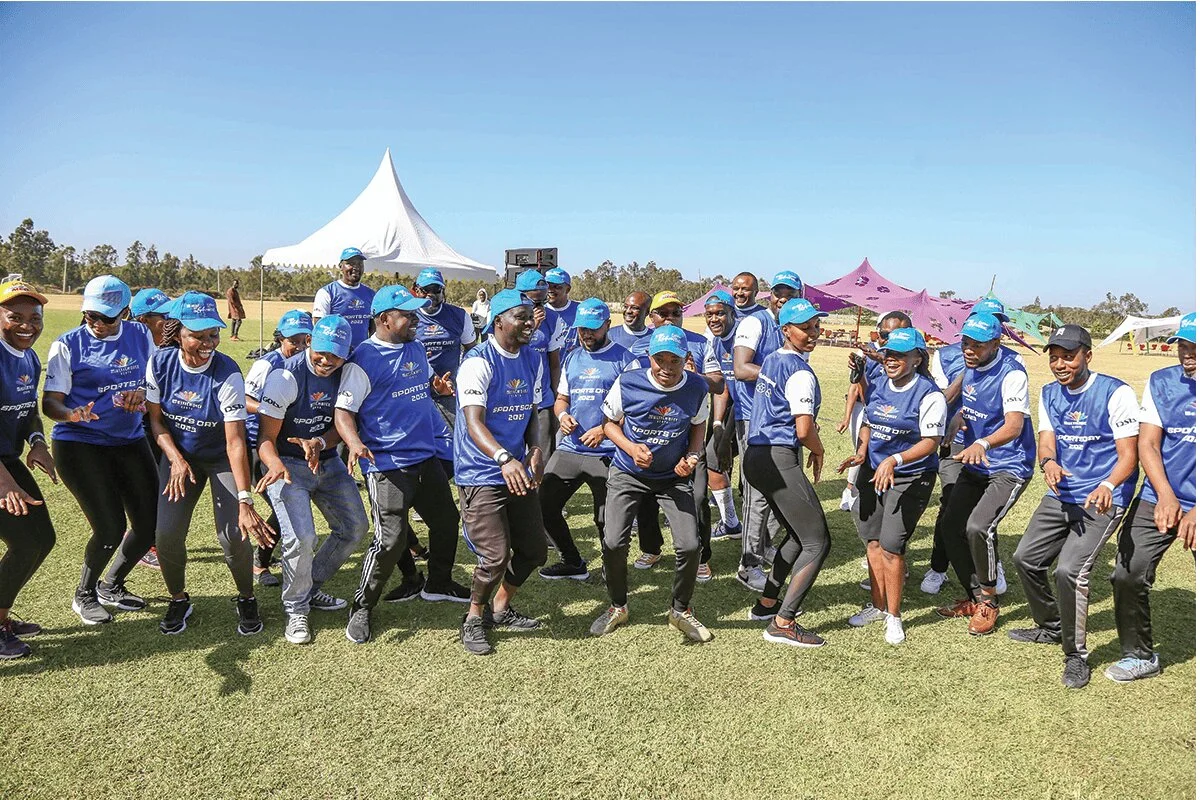
Unlock Unforgettable Team Building Experiences With Us! we are Experts In Team Building, Award Ceremonies, Employee Appreciation Days, Strategic Planning Sessions, End Of Year Parties, Workshops/Seminars, Town Hall Meetings, Corporate Gala’s Etc.
EXPO
Let’s elevate your expo presence and deliver exceptional results that exceed your goals. Creating immersive and impactful expo’s, we bring innovation and creativity to every detail in webinars, conferences, trade shows, workshops, exhibitions, leadership summits and vendor supplier expos.
Get a Quick, Free, No-Obligation Quote for Your Event Today.
Contact Us
Case Studies
A WORD FROM OUR CLIENTS
Testimonials
"I couldn't have asked for a better event planning experience than the one Red Giant Media Agency provided. They turned my idea into a remarkable reality, creating an unforgettable event for my company. From the seamless coordination to the innovative ideas, they truly exceeded my expectations. I highly recommend Red Giant Media for all your event management needs."
"I was blown away by the team building activities organized by Red Giant Media Agency. They managed to make our corporate retreat not only productive but also incredibly fun. The activities they designed were engaging, promoting team bonding and problem-solving. It was an absolute success, and I look forward to working with them again in the future."
"Our experiential marketing campaign became a massive hit, thanks to the expertise of Red Giant Media Agency. They knew exactly how to create a buzz and engage our target audience. Their creative approach and attention to detail made our brand stand out. I can't thank them enough for their exceptional work. If you're looking for top-notch experiential marketing, look no further than Red Giant Media."
Red Giant Media Agency is a game-changer in the world of experiential and events companies. They blend creativity and precision flawlessly. Our event was an unforgettable masterpiece, thanks to their innovative touch. Red Giant Media Agency is the go-to choice for those seeking excellence in event planning. Highly recommended!
Kudos to this marketing agency for their outstanding work in experiential marketing! They transformed our charity event into a remarkable experience. Their event planning and event management skills are second to none. I was impressed with their attention to detail and dedication to making our charity event a success. Highly recommended!
Hold onto your hats because Red Giant Media Agency is not your average experiential and events company – they're the rockstars of the industry! 🤘
When we teamed up with Red Giant, it was like stepping into an electrifying concert. Their professionalism is like a well-tuned guitar, and their creativity, a blazing solo that left us in awe.
These folks turned our event into an unforgettable gig. Their innovative ideas and meticulous planning were like hit songs on repeat, and the result? A standing ovation from our guests.
What makes Red Giant Media Agency the ultimate headliner is their ability to jam with your vision. They don't just play the hits; they create chart-toppers! If you're hunting for an experiential and events company in Kenya that's ready to rock your world, it's Red Giant Media Agency, no question about it.
They're the shredders of extraordinary experiences, and I can't recommend them enough. Thanks to Red Giant, our event was an epic tour de force!
Red Giant Media Agency truly stands out as top event management company. Their team of expert event planners excels in delivering exceptional experiences. From start to finish, they flawlessly manage every detail. Their rustic decor choices added a unique charm to our event. Highly recommend them for any event management needs.
Red Giant Media Agency is a top-notch experiential and events company! They recently organized an event for our company, and it was an absolute hit. Their attention to detail and creativity in every aspect, from decor to audiovisuals, was flawless. What sets them apart is their ability to truly understand your vision and exceed expectations. The team is not only friendly but also highly adaptable, making the collaboration a pleasure. If you're looking for an experiential and events company that creates unforgettable experiences, I wholeheartedly recommend Red Giant Media Agency. They are the experts you need! Thanks for an outstanding job!