


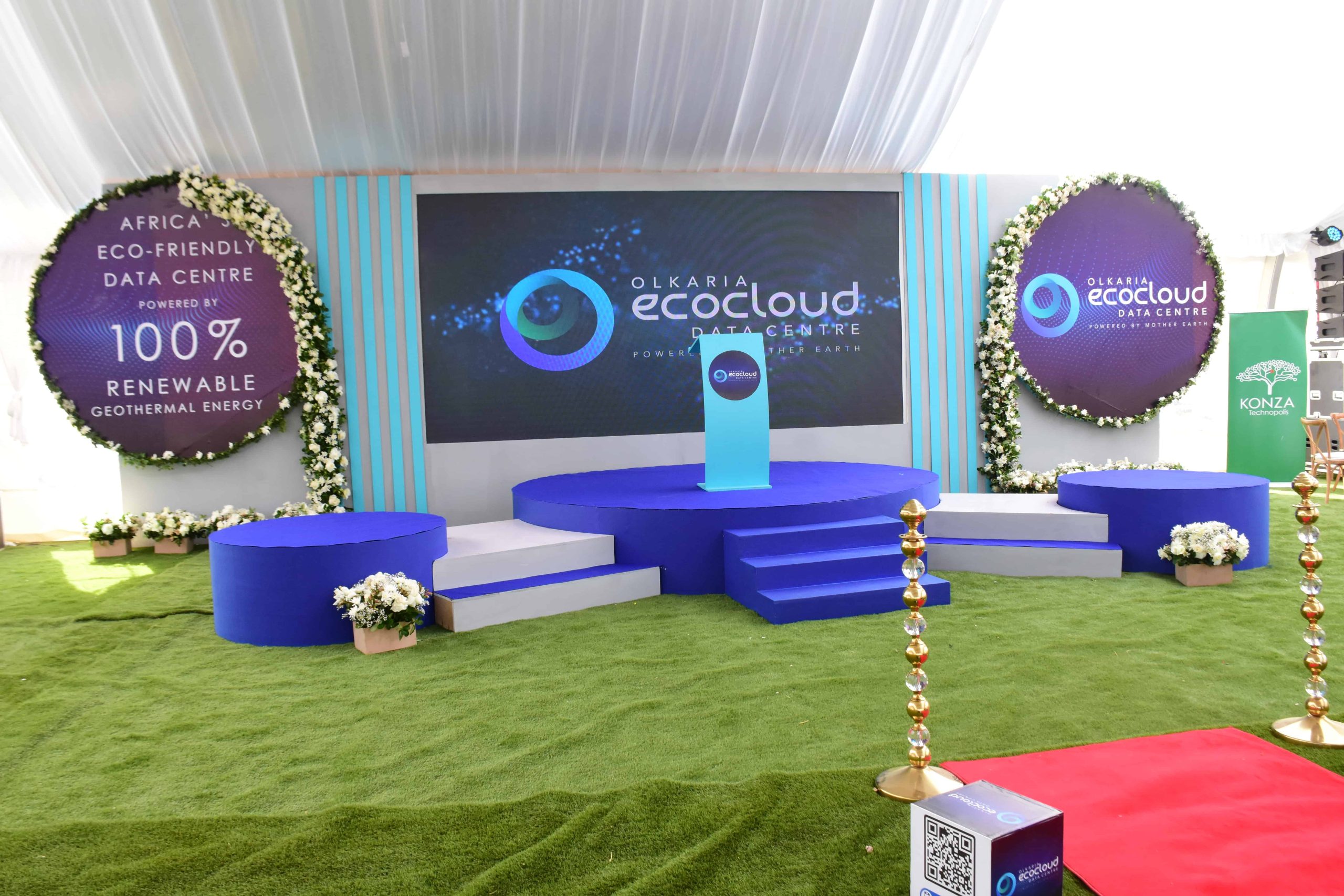
An event management company is what you hire when the event is bigger than a set of bookings. There is a stage to build, a brand to show, a crowd to move and a lot of equipment that has to arrive, work and leave on time. This guide is about choosing that kind of partner in Kenya and comparing them fairly.
- A full-service company plans, produces and runs the event: staging, sound, lighting, screens, branding, crew and logistics.
- The real question is what they own or run directly and what they subcontract.
- For events outside Nairobi, ask how they move crew and equipment, and who they use locally.
- Compare proposals on scope, production schedule and crew, not only on the total.
What an event management company handles
The name gets used loosely in Kenya. Some firms calling themselves event management companies are really planners with a good supplier list. Others build and run everything. A full-service company should be able to cover most of this:
- Concept and creative: the idea, theme, look of the stage and how the brand appears across the space.
- Production: staging, trussing, sound, lighting, LED screens, power and the technical crew to run them.
- Branding and fabrication: backdrops, entrance arches, booths, signage and printed items.
- Logistics: venue liaison, transport, load-in and load-out schedules, storage and security.
- People: stage managers, ushers, hosts, brand ambassadors and registration staff.
- Content: event video, photography, live streaming and the after-event edit.
- Compliance: music licences, venue and county approvals, and handling attendee data properly.
Not every event needs all of it. A board dinner for 40 does not need a truss rig. A product launch with media, a stage show and a live stream almost certainly does.
Planner or production company?
Both are useful. They solve different problems, and plenty of events use a planner who brings in a production company.
| Event planner | Event management company | |
|---|---|---|
| Main job | Coordinates the plan, the budget and the suppliers | Plans, builds and runs the event, often with its own crew and kit |
| Best for | Private events, small corporate functions, weddings | Launches, conferences, award nights, large staff parties, activations |
| Equipment | Usually hired in from suppliers | Often owned or run by long-standing partners under one contract |
| Point of contact | The planner, who manages each supplier | One account lead, one production manager, one contract |
| Risk on the day | Spread across several suppliers | Sits with one company that answers for all of it |
If you mainly need someone to organise a private or mid-sized event, our guide on choosing an event planner in Nairobi is the better starting point. If your event is also a marketing moment with brand activity before or after, see how to pick an experiential marketing agency in Kenya.
Ask this directly: “Which parts of our event will your own staff run, and which will you subcontract?” There is nothing wrong with subcontracting. There is a lot wrong with not knowing who is responsible when the screen goes dark.
Running events beyond Nairobi
A lot of Kenyan events happen outside the capital: regional sales conferences in Mombasa or Kisumu, launches in Eldoret or Nakuru, team retreats around Naivasha. These add costs and risks that a Nairobi-only quote will miss.
Moving people and kit
Trucks, fuel, driver allowances and travel days for crew. A stage that takes a day to build in Nairobi may need an extra day upcountry once you add the drive. Ask for those days to be shown in the schedule.
Local suppliers
Some items make more sense sourced locally: tents, chairs, catering, security. Ask whether the company has used those suppliers before and who checks their work before guests arrive.
Accommodation and timing
Crew need somewhere to sleep near the venue. Guests travelling from Nairobi need realistic arrival times. Traffic on the main highways on a Friday afternoon can turn a planned arrival into a missed opening session.
Outdoor events need extra checks
Open-air events are where an experienced company earns its fee. Fun days, concerts, sports days and roadshow stops all depend on things a ballroom gives you for free.
- Weather: the long rains run roughly March to May and the short rains roughly October to December. Ask for a covered fallback, not a promise.
- Power: generators, fuel, a backup unit and someone qualified to run the distribution.
- Ground: flooring for tents, cable covers across walkways, and access for trucks on wet ground.
- Crowd and safety: entry points, first aid, security, lighting after sunset (around 6:30pm in Nairobi) and a clear exit plan.
- Approvals: county permissions, NEMA guidance on noise and waste for larger events, and music licensing through MCSK, KAMP and PRISK.
How to compare proposals
Send each company the same brief: date, venue or preferred area, guest numbers, audience, objectives, must-haves and budget range. Then compare what comes back on the same points.
- Scope: is every element listed with quantities, or is it a single “production” line?
- Production schedule: load-in time, build, technical rehearsal, show and load-out. A proposal with no schedule has not been thought through.
- Crew: how many people on site, in which roles, and who is the production manager.
- Backup: spare microphones, backup power, a second laptop for presentations.
- Relevant work: events of similar size and type, with photos or video.
- Insurance and safety: public liability cover and how they manage rigging and electrical safety.
- Payment terms: deposit, balance, and what happens if the date moves.
Ask for a site visit with the production manager before you sign. You learn more in 30 minutes at the venue than in three rounds of email. Then work through our event planning checklist together so nothing falls between your team and theirs.
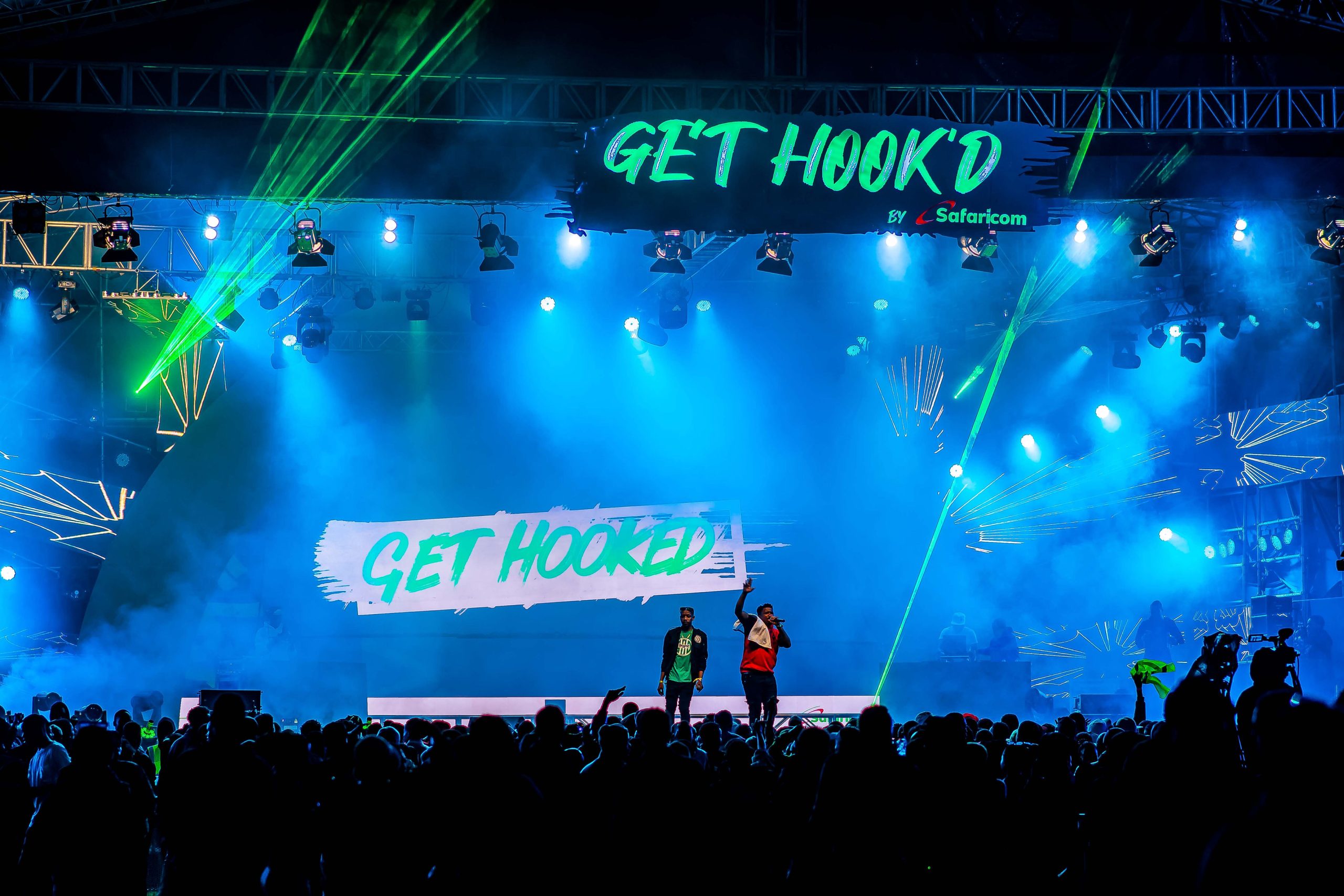
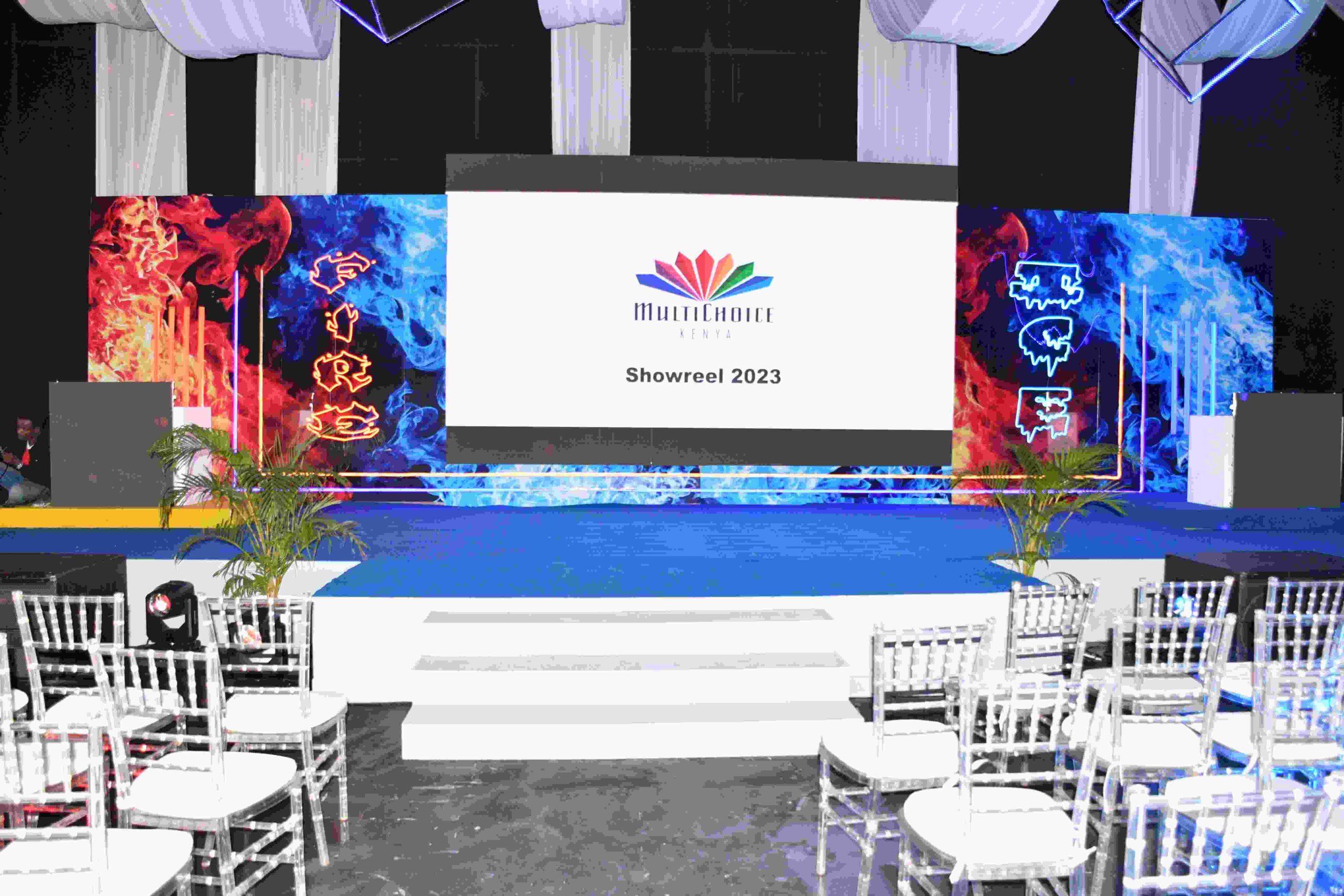

Need one team to plan and produce your event?
Tell us the date, location, audience and budget range. We will come back with a scoped proposal and a production schedule, in Nairobi or upcountry.
Quick answers
What does an event management company do in Kenya?
It plans, produces and runs events, usually including staging, sound, lighting, screens, branding, crew and logistics, under one contract and one point of contact.
How is an event management company different from an event planner?
A planner mainly coordinates the plan and suppliers. A management or production company also builds and runs the technical and creative side, often with its own crew and equipment.
Can a Nairobi company run events in other counties?
Yes, many do. Ask how they move crew and equipment, which local suppliers they use, and whether travel and build days are included in the quote.
How many proposals should I ask for?
Three is usually enough. Send all of them the same brief so that the scope, schedule and crew can be compared directly.