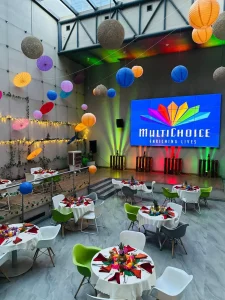
The Future of Corporate Branding: Embracing Experiential Marketing Trends
Marketing is constantly evolving, and in the world of corporate branding, it is important for businesses to stay ahead of the curve. One of the most exciting trends in marketing today is experiential marketing. This approach focuses on creating memorable and engaging experiences for consumers, allowing them to connect with a brand on a deeper level. In this article, we will explore the future of corporate branding and how embracing experiential marketing trends can help businesses thrive in a competitive marketplace.
What is Experiential Marketing?
At its core, experiential marketing is all about creating experiences that leave a lasting impression on consumers. It goes beyond traditional marketing methods by immersing customers in a brand’s values, products, or services, and creating a sense of emotional connection. Whether it’s through interactive events, virtual reality experiences, or personalized campaigns, experiential marketing aims to engage all the senses and make a brand memorable.
This shift towards experiential marketing is driven by changing consumer preferences. Today’s consumers are increasingly looking for authentic, meaningful interactions with brands. They want to connect with companies that align with their values and provide a unique experience. By embracing experiential marketing, businesses can tap into these desires and create a strong bond with their target audience.
Embracing Experiential Marketing Trends
As businesses strive to incorporate experiential marketing into their branding strategies, several trends are emerging in the industry. These trends are shaping the future of corporate branding and providing exciting opportunities for businesses to connect with their customers in new and innovative ways.
1. Personalization
Personalization is key in experiential marketing. By tailoring experiences to individual preferences and needs, businesses can create a deeper connection with their audience. Whether it’s through personalized products, tailored recommendations, or immersive events, personalization helps brands stand out in a crowded marketplace and build strong customer loyalty.
2. Technology Integration
Technology plays a crucial role in the future of corporate branding. From augmented reality to virtual reality and artificial intelligence, incorporating technology into experiential marketing allows businesses to create immersive and interactive experiences. By leveraging these technologies, brands can engage their audience in unique ways and provide memorable experiences that leave a lasting impact.
3. Storytelling
Storytelling has always been a powerful tool in marketing, and it continues to be a key component of experiential marketing. By telling compelling stories that resonate with their audience, brands can create emotional connections and build a loyal customer base. Whether it’s through videos, live events, or interactive campaigns, storytelling helps brands stand out and creates a memorable experience for consumers.
4. Social Media Integration
Social media is an essential part of experiential marketing. It allows brands to extend the reach of their experiences and engage with their audience on a larger scale. By creating shareable content, encouraging user-generated content, and leveraging influencer marketing, businesses can amplify their brand’s message and create a buzz around their experiential marketing campaigns.
In conclusion, the future of corporate branding lies in embracing experiential marketing trends. By creating memorable and engaging experiences, businesses can connect with their audience on a deeper level and build strong brand loyalty. Personalization, technology integration, storytelling, and social media integration are all key elements that will shape the future of corporate branding. So, don’t get left behind! Embrace experiential marketing and take your brand to new heights. Contact Redgiant media agency at redgiant.co.ke to get started on your experiential marketing journey.