


“Below the line” is one of those industry phrases everyone uses and few people define the same way. Here is a plain explanation of what BTL marketing means in Kenya, how it differs from ATL and TTL, when it beats mass media, how to budget for it and how to tell whether it worked.
- ATL (above the line) is mass media: TV, radio, print, outdoor. BTL (below the line) is direct, targeted contact: sampling, activations, roadshows, trade promotions, events, direct marketing. TTL (through the line) is a campaign that joins both.
- BTL wins when people need to try, touch or be shown something, when your buyers are concentrated in specific places, or when the sale happens at the shelf.
- Budget BTL from the bottom up: people-days, vehicles, materials, venues, travel and management fee.
- Measure it by what you can count: people engaged, trials, sign-ups, sales linked to the activity.
What is below-the-line (BTL) marketing?
Below-the-line marketing is any promotion that reaches a chosen group of people directly, rather than broadcasting to everyone through mass media. In Kenya that usually means activations, sampling, roadshows, in-store promotions, events and direct marketing.
The terms come from old agency accounting. Mass-media spend was recorded “above the line” because agencies earned commission on it. Everything else, such as leaflets, shop displays and promotions, was billed as a fee and listed below it. The accounting reason has faded, but the labels stuck because they describe a real difference in how a campaign reaches people.
| ATL (above the line) | BTL (below the line) | TTL (through the line) | |
|---|---|---|---|
| What it is | Mass media reaching a broad audience | Direct contact with a chosen audience | One campaign that joins ATL and BTL |
| Typical channels in Kenya | TV, national and vernacular radio, newspapers, billboards, large online video buys | Sampling, in-store and mall activations, roadshows, market storms, campus activations, trade promotions, events, exhibitions, SMS and direct mail | A radio campaign that announces a roadshow, a TV advert with an in-store offer, social media driving people to a mall stand |
| Main job | Awareness and brand image at scale | Trial, conversion, relationships, data | Awareness and action in one plan |
| Cost logic | Cost per thousand people reached | Cost per person engaged or converted | Both, measured together |
| Measurability | Mostly estimated | Mostly counted | Mixed |
Online channels blur the line. Broad video and display buys behave like ATL. Targeted social ads, WhatsApp campaigns and influencer work with a specific community behave more like BTL. The useful question is not which label applies but whether the activity reaches everyone or reaches someone in particular.
What are the main BTL channels in Kenya?
The main BTL channels in Kenya are sampling, in-store and mall activations, roadshows and market activations, campus and community activations, trade promotions, events and exhibitions, and direct marketing. Most campaigns combine two or three of them.
Examples by type
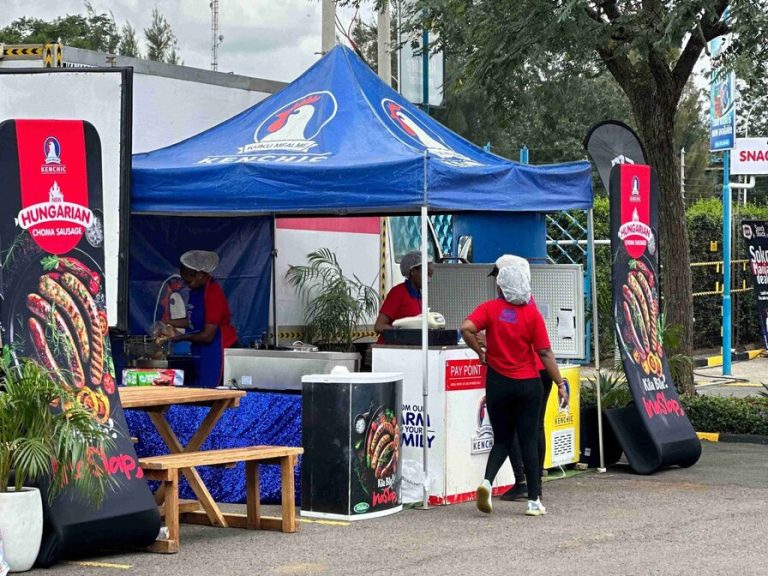
- Product sampling. A dairy, beverage or food brand giving tastings in supermarket aisles, so that people try before they buy.
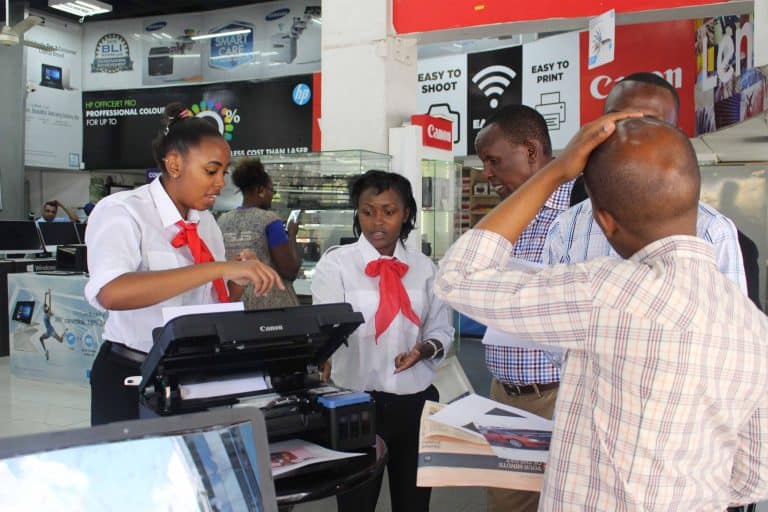
- In-store and mall activations. A branded stand with a demo and a buy-now offer, placed where shoppers already are. Our Brookside Dairyfresh mall activation is an example of the format.
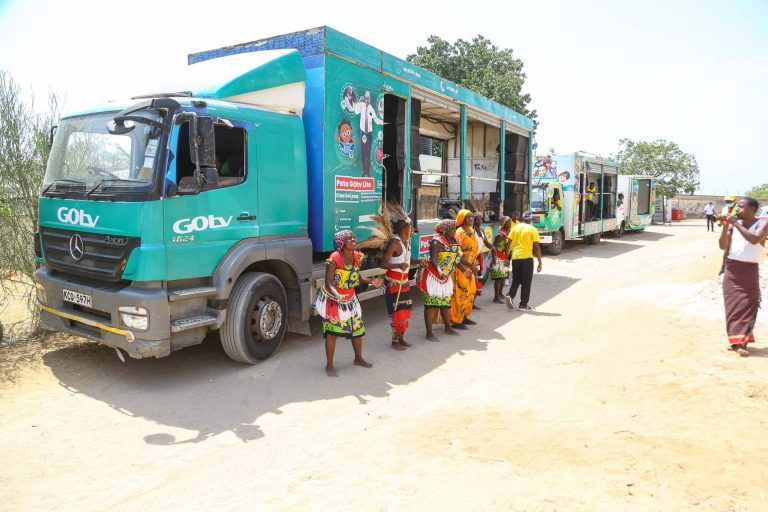
- Roadshows and market storms. A branded truck with a stage, MC and sampling crew moving town to town on market days. Pay-TV, telecoms, food and household brands use these to reach customers outside the cities, including the DStv and GOtv roadshows we have produced.
- Campus and youth activations. Games, music and sampling at universities and colleges, such as our Kericho Gold university activation.
- Trade and retail promotions. Display competitions, shelf branding, retailer incentives and point-of-sale materials so the product is visible where people buy.
- Consumer promotions. Buy-and-win offers, vouchers and M-Pesa-linked rewards. Promotions with prizes and draws may need regulatory clearance, so check before launch.
- Events, launches and exhibitions. A launch for an invited audience, a stand at a trade show or an expo booth.
- Direct and data-led marketing. SMS, WhatsApp and email to people who have opted in, under the Data Protection Act 2019.
Our guide to experiential marketing services in Kenya goes deeper into the hands-on formats and how to combine them, and there are dedicated guides on planning a roadshow and mall activations.
When does BTL beat mass media?
BTL beats mass media when the barrier is trial rather than awareness, when your buyers are concentrated in places you can reach, or when the decision is made at the shelf. Mass media wins when you need national awareness quickly.
| Situation | Lean towards | Why |
|---|---|---|
| New food or drink people need to taste | BTL (sampling, in-store) | Taste convinces where adverts cannot |
| Product needs a demo or explanation | BTL (activation, roadshow) | A conversation answers questions on the spot |
| Customers in rural and peri-urban markets | BTL (roadshows, market activations) plus local radio | Meets people where they shop and in their language |
| Sign-ups for a financial or telecom product | BTL with trained staff | Registration happens face to face, with consent |
| Launching a national brand idea | ATL, supported by BTL | Reach and fame first, trial follows |
| Small budget, specific audience | BTL | Spend goes to the people who matter, not to everyone |
From experience: the strongest campaigns we see are through the line. A few days of local radio before a roadshow arrives can change the size of the crowd, and an activation gives the radio campaign something real to talk about.
How do you budget for BTL marketing?
Build a BTL budget from the bottom up: how many people, for how many days, in how many places, with what materials. Then compare the total with what each engaged person or conversion will cost.
The cost lines
- People: brand ambassadors, supervisors, MC, DJ or performers, drivers. See our guide on hiring brand ambassadors in Kenya for typical daily rates.
- Vehicles and kit: roadshow trucks, generators, sound, gazebos, stands.
- Space: mall or supermarket fees, venue hire, exhibition space.
- Materials: branding, uniforms, point-of-sale, samples, giveaways, prizes.
- Travel: fuel, accommodation and allowances for upcountry work.
- Approvals: county permissions and retailer approvals, which vary by place.
- Content and reporting: photos, video and data capture.
- Agency management fee and 16% VAT.
A simple way to sense-check it
Divide the total budget by the number of people you expect to engage properly, meaning sampled, demonstrated to or signed up, not just walked past. Then ask whether that cost per person makes sense against what a customer is worth to you. To show the method with made-up numbers: a campaign costing KES 1,000,000 that engages 10,000 people costs KES 100 per person engaged. If 1,500 of them buy or sign up, each conversion cost about KES 667. Whether that is good depends entirely on your margin and how long a customer stays.
How do you measure BTL marketing?
Measure BTL by counting what happened, every day, in the same way at every site. Its advantage over mass media is that much of it can be counted rather than estimated.
- Engagement: samples given, demos completed, conversations held.
- Conversion: sales at the stand, sign-ups, voucher or code redemptions, M-Pesa transactions linked to the offer.
- Retail effect: stockist or distributor sales in the weeks after, compared with areas without the activity.
- Feedback: what people said, recorded by supervisors daily.
- Proof of execution: time-stamped photos, attendance and stock records.
At Red Giant Media we ask clients to agree two or three of these before day one. Reports that lead with huge footfall estimates and little else should make you suspicious. When you are ready to choose a partner, our guide to brand activation companies covers what to ask.
Planning a BTL campaign?
Tell us the product, the audience, the regions and what you want people to do. We will suggest the BTL mix and give you an itemised budget.
Quick answers
What is below-the-line marketing in simple terms?
It is marketing that reaches a chosen group of people directly, such as sampling, activations, roadshows, in-store promotions, events and direct messages, rather than broadcasting through TV, radio, print or billboards.
What is the difference between ATL, BTL and TTL marketing?
ATL uses mass media to reach a broad audience. BTL uses direct, targeted contact with a specific audience. TTL is a single campaign that combines both, for example radio announcing a roadshow.
What are examples of BTL marketing in Kenya?
Supermarket sampling, mall activations, roadshows on market days, university activations, trade promotions, product launches, exhibition stands, and SMS or WhatsApp campaigns to people who have opted in.
Is BTL marketing cheaper than ATL?
Usually the total is smaller, but the cost per person reached is higher. BTL is cheaper per person who actually tries or buys, which is why it suits trial and conversion goals.
How do you measure the success of a BTL campaign?
Agree two or three measures before it starts, such as people engaged, sign-ups or sales, and voucher redemptions, and track them daily at every site with photos and supervisor reports.