“Brand activation company” covers a wide range of businesses in Kenya, from a two-person team that supplies promoters to a full agency that plans, builds, staffs and reports on a national campaign. Knowing which kind you need saves you weeks of comparing quotes that are not really comparable.
- Brand activation means getting people to try, use or interact with a brand in person. The company’s job is to make that happen at scale and to report on it honestly.
- Firms differ mainly in what they own: staff, trucks, builds, production kit, or only the ideas.
- Most quotes mix a management fee with costs passed through. Ask for the two to be shown separately.
- Judge a company by how it handles field problems and reporting, not by its showreel alone.
What a brand activation company does
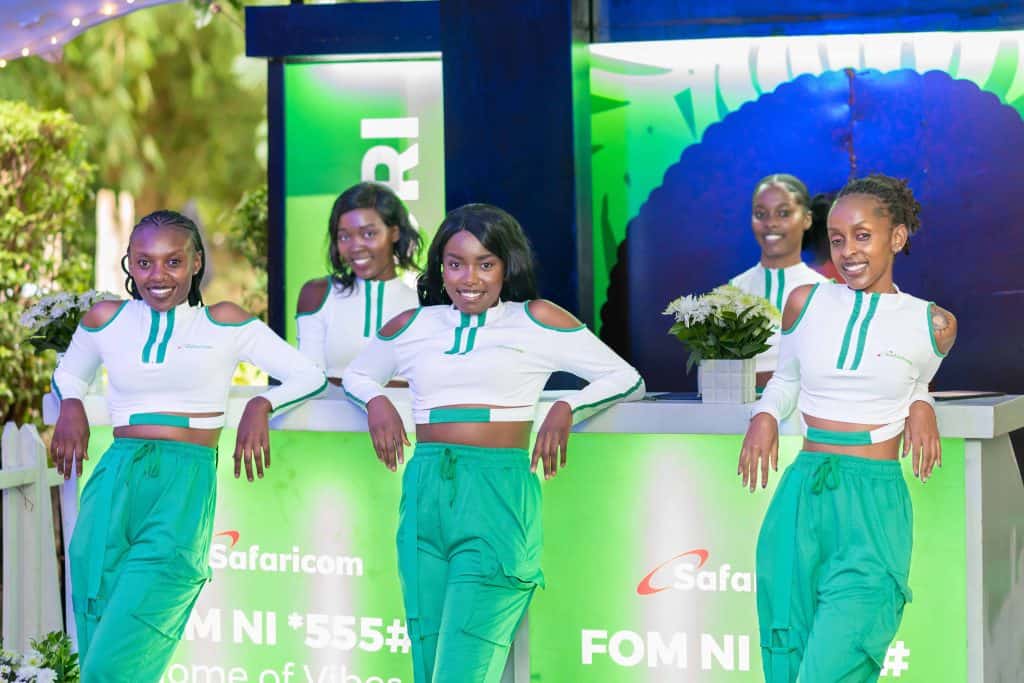
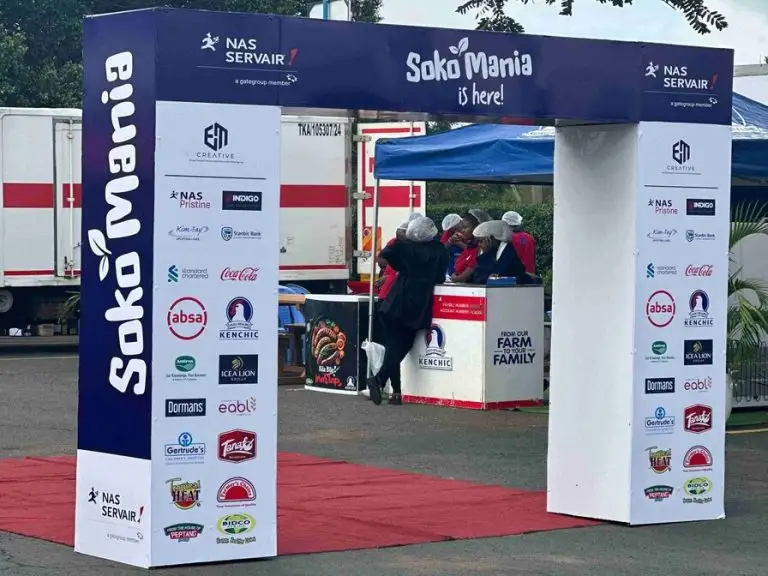
Brand activation is the part of marketing where people meet the brand in real life. A sampling team in a supermarket. A roadshow truck in a market town. A stand at a university. A launch event. A bar promotion on a Friday night. The aim is trial, sign-ups, sales or simply getting a product into people’s hands.
In Kenya this work usually sits under below-the-line (BTL) marketing, alongside in-store promotions and events. A good activation company does four things well:
- Planning. Turning your objective into locations, dates, mechanics and numbers.
- Production. Stands, branding, trucks, sound, screens and printed material, built to the brand’s standards.
- People. Recruiting, training, paying and supervising brand ambassadors and field teams.
- Reporting. Daily numbers, photos and feedback you can trust and use.
Most of the difference between a good and a poor company shows up in the last two. Anyone can design a nice stand. Keeping 40 promoters across six counties on message, on time and honestly reporting is harder.
The types of firm you will meet
| Type | What they usually own | Best for | Watch out for |
|---|---|---|---|
| Full-service BTL or experiential agency | Planning, production management, staff networks, often trucks and kit | National campaigns, launches, multi-channel activations | Higher management fees; check who actually does the field work |
| Staffing or promoter agency | A pool of brand ambassadors and supervisors | Long-running in-store sampling and merchandising | Limited creative and production; you manage the concept |
| Event production company | Stages, sound, lighting, screens, structures | Launches, concerts, conferences, large one-day events | May not handle consumer engagement or field reporting |
| Creative or digital agency | Ideas, design, content, social media | Concept and amplification around an activation | Often subcontracts the field work; ask who delivers on the ground |
None of these is better in general. A brand doing a three-month supermarket sampling programme may get better value from a strong staffing agency plus its own trade marketing team than from a full agency. A brand launching a new product in eight towns in a month usually needs one company holding the whole thing together.
From experience: ask every company which parts they do themselves and which they subcontract. Subcontracting is normal. Not knowing who your subcontractor is, is not.
How activation companies usually charge
We will not quote figures because they depend on scale, regions and duration. The structures, though, are fairly standard across the industry:
- Agency or management fee. Either a percentage of the total campaign cost or a fixed fee for planning, coordination and reporting.
- Staff costs. Usually per person per day, with supervisors priced separately. Ask whether transport, meals and airtime are included.
- Production. Stands, branding and printing, often quoted per item. Ask whether builds are owned by you afterwards or hired.
- Equipment and vehicles. Trucks, generators, sound and screens, usually per day, plus fuel and driver allowances.
- Pass-through costs. Space rental, permits, samples and giveaways, which the agency pays and recharges.
The common source of friction is a single bundled number. If one quote is lower than another, you need to see whether it has fewer staff days, cheaper builds or no supervisors. Ask every company to use the same line items so you compare like with like.
How to compare companies
Questions that separate the strong from the rest
- Show us the daily report from a recent activation like ours. What did the client receive each evening?
- How do you recruit and train brand ambassadors, and how are they paid? Late payment to field staff shows up as poor work on the ground.
- Who is our day-to-day contact, and who is on the ground?
- What happened the last time something went wrong in the field, and how did you handle it?
- Which permits and approvals will you handle, and which are ours?
- How do you handle personal data collected from consumers under the Data Protection Act 2019?
Red flags
- A proposal heavy on ideas with no numbers for reach, staff days or locations.
- Reporting promised as “end of campaign” only.
- No clear answer on who owns the stands and materials afterwards.
- Pressure to pay the full amount upfront before a plan is agreed.
Our separate guide to choosing an experiential marketing agency in Kenya goes deeper on pitches, chemistry meetings and contracts. If you are still deciding which kind of activation fits, see experiential marketing services explained.
Writing a brief they can quote on
Most poor quotes come from poor briefs. A one-page brief that answers these questions will get you quotes you can compare:
- What do you want people to do: try, buy, sign up, download, attend?
- Who are they, and where do you find them?
- Which towns or counties, and over what dates?
- What is the rough budget range? Agencies design very differently for different budgets, so a range saves everyone time.
- What do you already have: stands, branding, samples, an approved creative idea?
- How will you judge success, and what reporting do you need?
For specific formats, see our guides to mall activations and roadshows in Kenya.

Need an activation partner?
Send us your objective, regions and dates. We will come back with a plan and a quote broken down line by line, so you can compare it fairly.
Quick answers
What is the difference between brand activation and experiential marketing?
They overlap heavily. Brand activation usually describes the field work that gets people to try or buy, while experiential marketing is the wider idea of building a brand through live experiences. Most Kenyan agencies offer both.
How far ahead should I brief an activation company?
For a simple in-store or mall activation, four to six weeks. For a multi-county roadshow or a launch with custom builds, eight weeks or more, because recruitment, production and permits all take time.
Should I hire one company or several?
One lead company is simpler for campaigns that cover several channels or regions. Splitting work can save money on long, simple programmes, but you then manage the coordination yourself.
What reporting should I expect?
Daily numbers against agreed targets, photos with time and location, stock and sample counts, and short notes on consumer feedback. A final report should compare results with the plan and suggest changes for next time.