
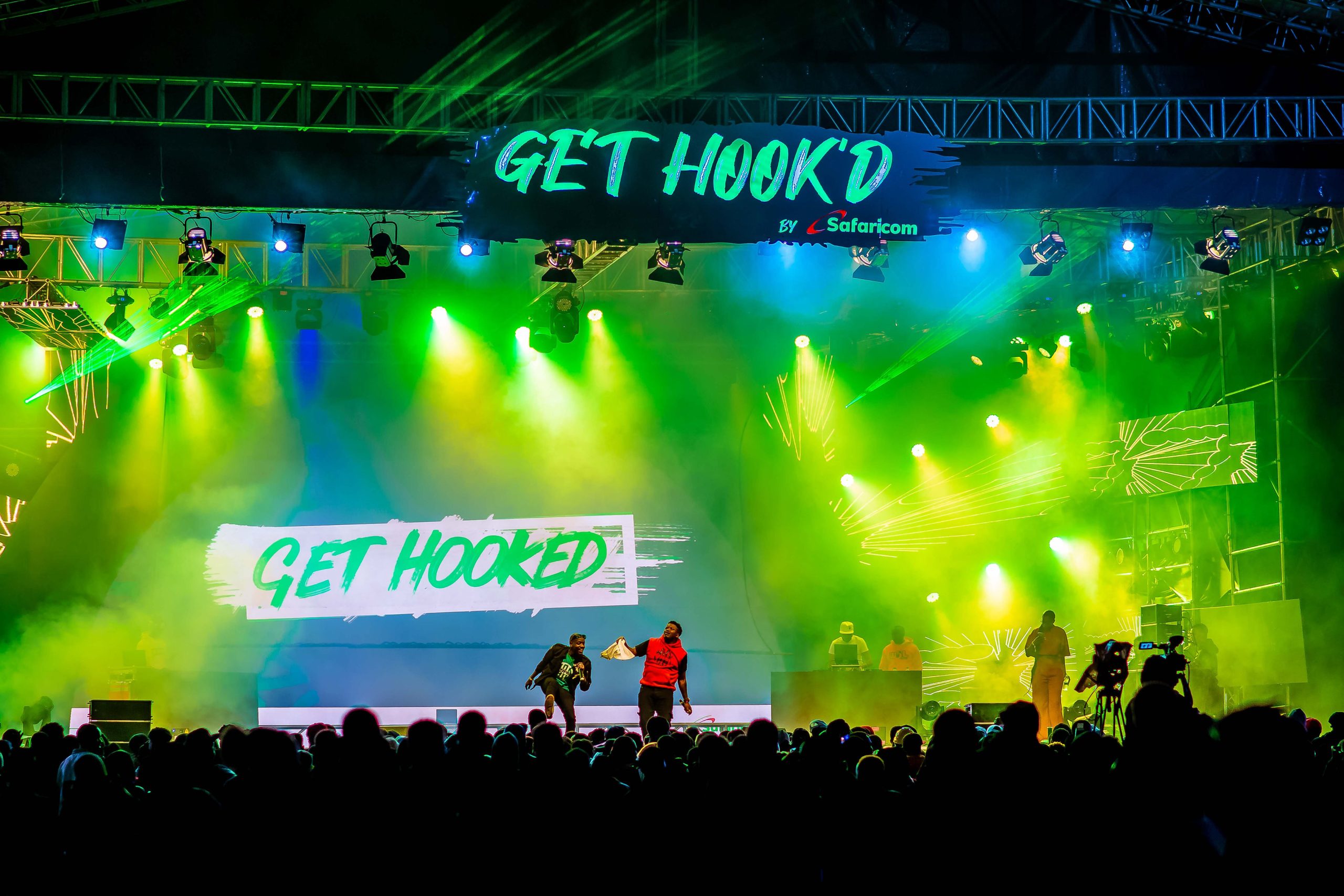
Experiential marketing means getting people to touch, try or take part in your brand in person, instead of scrolling past it. Choosing an agency for it is harder than it looks, because in Kenya the same word covers everything from a two-person team with a tent to a full production house.
- An experiential agency plans, produces and measures live brand experiences: activations, roadshows, mall and in-store campaigns, launches and sampling.
- Ask who actually runs your event on the ground. Agencies that sub-contract everything add cost and lose control.
- Judge them on their field record, with photos, dates and results, not on a website list of logos.
- Agree what you will measure before you sign. Footfall alone is not a result.
What an experiential agency does
An experiential marketing agency takes a brand goal, such as launching a product, getting sampling into the hands of a target group or driving footfall to a retailer, and turns it into a physical campaign. That covers the idea, the permits, the staff, the branded set-up, the logistics across towns, and the reporting afterwards.
It is different from a conventional events company. An events company delivers an occasion. An experiential agency designs the whole interaction between a brand and its customers and is accountable for what happens next: leads captured, products sampled, sales lifted.
The kinds of work
- Activations. Branded interaction in a high-traffic place such as a mall, a market, a university campus or a roundabout. Hostesses, demos, games, sampling.
- Roadshows. A branded truck or team that travels across towns and counties on a planned route. This is where logistics make or break the campaign.
- In-store and supermarket activations. Promoters and displays that work at the shelf, where the purchase is decided.
- Launches and brand events. A one-off event to introduce a product or reposition a brand, often paired with media and influencers.
- Field marketing. Door-to-door and outlet-level campaigns where the target is not in a mall.
Most brands in Kenya need a mix. A new beverage might use a mall activation in Nairobi to build awareness and a roadshow to reach Kisumu, Eldoret and Nakuru.
How to shortlist an agency
- Ask for field proof. Photos and short case studies with the brand, location, date and numbers. A reel of polished stock footage tells you nothing.
- Ask who is on the ground. Who supervises the team on the day, and are those people employed by the agency or hired in that morning?
- Check regional reach. If you want to be in six towns, ask how they have done it before: local teams, hotels, vehicle hire, permits.
- Look for category experience. Not exclusivity, but a sense that they understand telecoms, FMCG or banking and the way those clients work with approvals and compliance.
- Talk to a past client. One call to someone who has used them for more than one campaign is worth more than any proposal.
- Read the proposal for specifics. Named staffing numbers, a run sheet, a permit plan and a reporting format. Vague proposals produce vague events.
- Check how they handle problems. Ask for an example of something that went wrong and what they did. Honest answers are a good sign.
A quick test: ask them how they would run a three-town roadshow if one vehicle broke down on day two. A good operator has an answer ready.


How pricing works
There is no standard price list for experiential work in Kenya, because every brief is different. What matters is knowing what moves the number so that you can compare proposals fairly.
| What drives the cost | Why it matters |
|---|---|
| Number of locations and days | Every extra town adds travel, accommodation, permits and a supervisor. |
| Team size | Brand ambassadors, hostesses, drivers and supervisors are paid per day. |
| Branding and structures | Gazebos, stages, vehicles, screens and printed materials, plus storage and transport. |
| Sampling or giveaways | The product itself is often your own cost, but handling and tracking are not free. |
| Permits and licensing | County permits, venue fees and music licences vary by location. |
| Reporting | Photo, video and data reporting takes time. Ask what is included. |
Ask every agency for a line-by-line budget, including their management fee, so you can see where the money goes. We would rather a client compare our budget line by line than choose on a headline number.
Red flags
- A portfolio made up of other people’s events or generic imagery.
- No answer to “who runs the event on the day?”
- A proposal that is all creative and no logistics.
- A very low price with no explanation of what has been left out.
- Reluctance to share a client reference.
Measuring the result
Agree the measures before the campaign, not afterwards. Useful ones include the number of people who took part (not just walked past), samples given, leads or sign-ups captured with consent, sales at the outlet during the activation compared with the week before, and cost per engagement. Footfall on its own is easy to inflate and hard to defend in a boardroom.
Good agencies also report what did not work. If a location underperformed, you should hear it from them first. Our approach to in-store activation follows the same principle.
Planning an activation or roadshow?
Red Giant Media has produced experiential campaigns across Kenya since 2014 for brands including Safaricom, Multichoice Kenya and Brookside. Send us your brief and we will come back with a run sheet and a line-by-line budget.
Quick answers
What is the difference between experiential marketing and BTL?
BTL (below the line) is the wider group of direct, non-mass-media marketing. Experiential marketing is a part of it that focuses on live, face-to-face brand experiences.
How long does it take to prepare an activation?
A simple mall activation can be ready in two to three weeks. A multi-town roadshow needs six to eight weeks for permits, vehicles and staffing.
Can an experiential agency work with a small budget?
Yes. A focused activation in one or two locations with a small team can work well. Be honest about the budget in the brief so that they design to it.
Do I need to supply the products and branding?
You normally supply the product and brand guidelines. The agency produces the structures, printed materials and uniforms, unless you agree otherwise.


