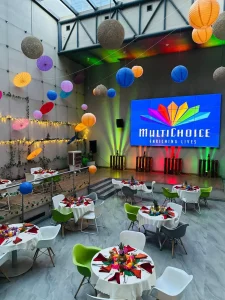
Every event has a moment where something goes wrong. Usually it is small: a late speaker, a dead microphone. Occasionally it is serious: a guest collapses, a storm hits a tent, the crowd at the gate grows faster than security can handle. Crisis management is deciding, before the day, who does what in each of those moments.
- Write a risk list for your specific event, not a generic one, and give each risk an owner.
- Name one person with authority to stop or change the event. Everyone on the team should know who it is.
- Book medical cover, know the nearest hospital, and plan routes for an ambulance to get in.
- Prepare what the MC will say in an emergency. Calm, clear words prevent panic.
Start with a risk assessment
Sit down with your venue, your suppliers and your security lead two to three weeks before the event and go through it hour by hour. For each stage (arrivals, the main programme, food service, entertainment, departures) ask what could go wrong, how likely it is, and how bad it would be.
The list will be different for a 60-person board dinner in a hotel and a 3,000-person public activation in a market. That is the point. A copied template misses what is specific to your event.
| Risk | Prevention | Response on the day |
|---|---|---|
| Heavy rain | Covered fallback, tent flooring, drainage check | Move to covered area on a pre-agreed signal |
| Power failure | Generator with fuel, UPS for sound and streaming | Switch over, MC holds the room |
| Medical emergency | Medical team on site, ambulance access route | Medic responds, area cleared, ambulance called |
| Overcrowding at entry | Staggered arrival, enough gates and staff | Pause entry, open overflow area |
| Food illness | Vetted caterer, food kept at safe temperatures | Medical assessment, keep samples, stop that dish |
| Security incident | Bag checks, accreditation, trained guards | Security lead takes over, police called if needed |
| Supplier no-show | Written contracts, backup contacts | Activate backup, adjust programme |
| Lost child or vulnerable guest | Wristbands with parent numbers at family events | Close exits briefly, announce a code word |
Set a chain of command
In a real emergency, a committee cannot make decisions. You need one event lead with authority to pause, change or stop the event, and everyone on the team needs to know who that is. Below them:
- Safety lead. Responsible for security, medical response and evacuation. Usually the head of the security supplier or venue safety officer.
- Production lead. Responsible for stage, sound, power and technical recovery.
- Communications lead. Responsible for what guests, the client and the public are told.
- Client contact. One person from the client side who can make decisions about the client’s brand and guests.
Give the leads radios on a shared channel, and agree simple code words so you can talk without alarming guests.
From experience: the most common failure in an emergency is not panic. It is three people each assuming somebody else has called the ambulance. Assign that task to a named person in advance.
What the emergency plan must include
Keep it to two or three pages so people actually read it. Print copies for every lead and keep one at the production desk.
- A site map with exits, assembly points, first aid point and ambulance access route.
- A contact sheet: event lead, safety lead, venue manager, medical provider, nearest hospital, local police station, and key suppliers.
- Triggers for each major decision: at what point do we move indoors, pause the programme, evacuate.
- Scripts for the MC for a pause, an evacuation and a medical incident.
- A note on who speaks to the media and on social channels, and who does not.
For public events, confirm with the county government and local police what notifications or approvals apply to your event, and keep copies of any approvals on site. Your venue should also confirm its own fire safety arrangements. Our event planning checklist covers where this fits in the wider timeline.
Handling the most common problems
Weather
The long rains run roughly March to May and the short rains roughly October to December. For any outdoor event in those months, the covered fallback should be set up before guests arrive, not ordered when the clouds come in. Agree in advance who calls the move, and at what point. Lightning means moving people away from open ground and tall structures. Our notes on garden venues in Nairobi cover rain planning in more detail.
Medical
Size the medical cover to the event: a first-aider for a small indoor function, a medical team with an ambulance on standby for a large outdoor event. Make sure the ambulance can actually reach the site through parked cars and crowds. Know where the nearest hospital with an emergency department is, and how long it takes to get there in traffic at that hour.
Technical failures
Power, sound and screens fail more often than anything else. Generators need fuel and a test run. The MC should have a short set of things to say while the team recovers. For hybrid events, see our guide to running hybrid events for streaming backups.
Crowds
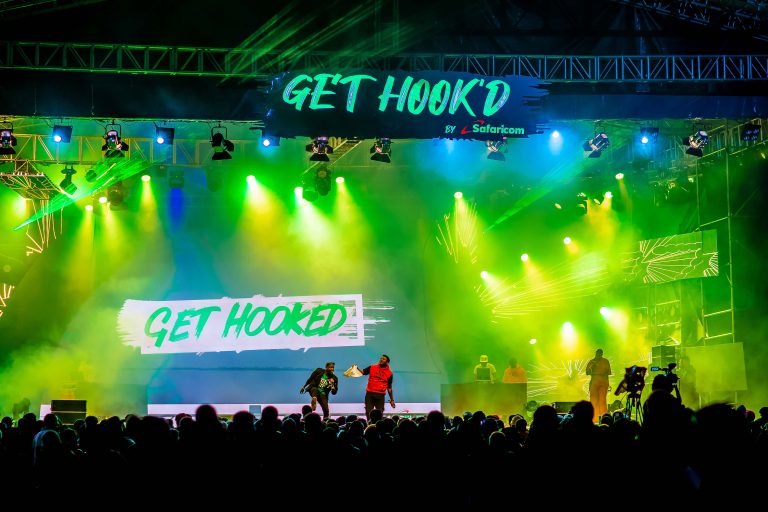
At activations and concerts, crushes happen at entrances, giveaways and stage fronts. Stagger arrivals, never throw merchandise into a crowd, and use barriers with trained stewards. If numbers grow beyond what you planned for, pause entry early. It is easier to explain a short wait than an injury.
Communicating during and after
In the room, the MC’s tone sets the response. A calm voice, a clear instruction and a reason (“We are moving inside to keep everyone dry, please follow the team in red”) does more than any amount of signage.
Outside the room, decide who speaks for the client and the agency. Staff and suppliers should not post about an incident on social media. If the incident becomes public, a short holding statement that acknowledges it and says what is being done is better than silence.
Afterwards, write an incident log the same night while memories are clear: what happened, when, who did what. Hold a debrief within a week and update the plan for next time. If you are choosing an agency to run your event, ask to see a sample of their emergency plan. Our guide to event management companies in Kenya lists other questions to ask.

Want an event team that plans for the worst?
Every event we run comes with a risk assessment, a chain of command and an emergency plan. Tell us about yours.
Quick answers
Who should be in charge during an event emergency?
One named event lead with authority to pause, change or stop the event, supported by a safety lead, a production lead and a communications lead. Everyone on the team should know who these people are.
Do I need medical cover at a corporate event?
For most events, yes. A trained first-aider is the minimum for a small function. Large or outdoor events should have a medical team and an ambulance on standby, with a clear access route.
What should an event emergency plan include?
A site map with exits and assembly points, a contact sheet, decision triggers, MC scripts for emergencies, and a note on who speaks to the media. Keep it short enough that people read it.
How do I handle rain at an outdoor event in Kenya?
Set up the covered fallback before guests arrive, agree who decides to move and when, and have flooring for any tent. Do not wait until it starts raining to act.