
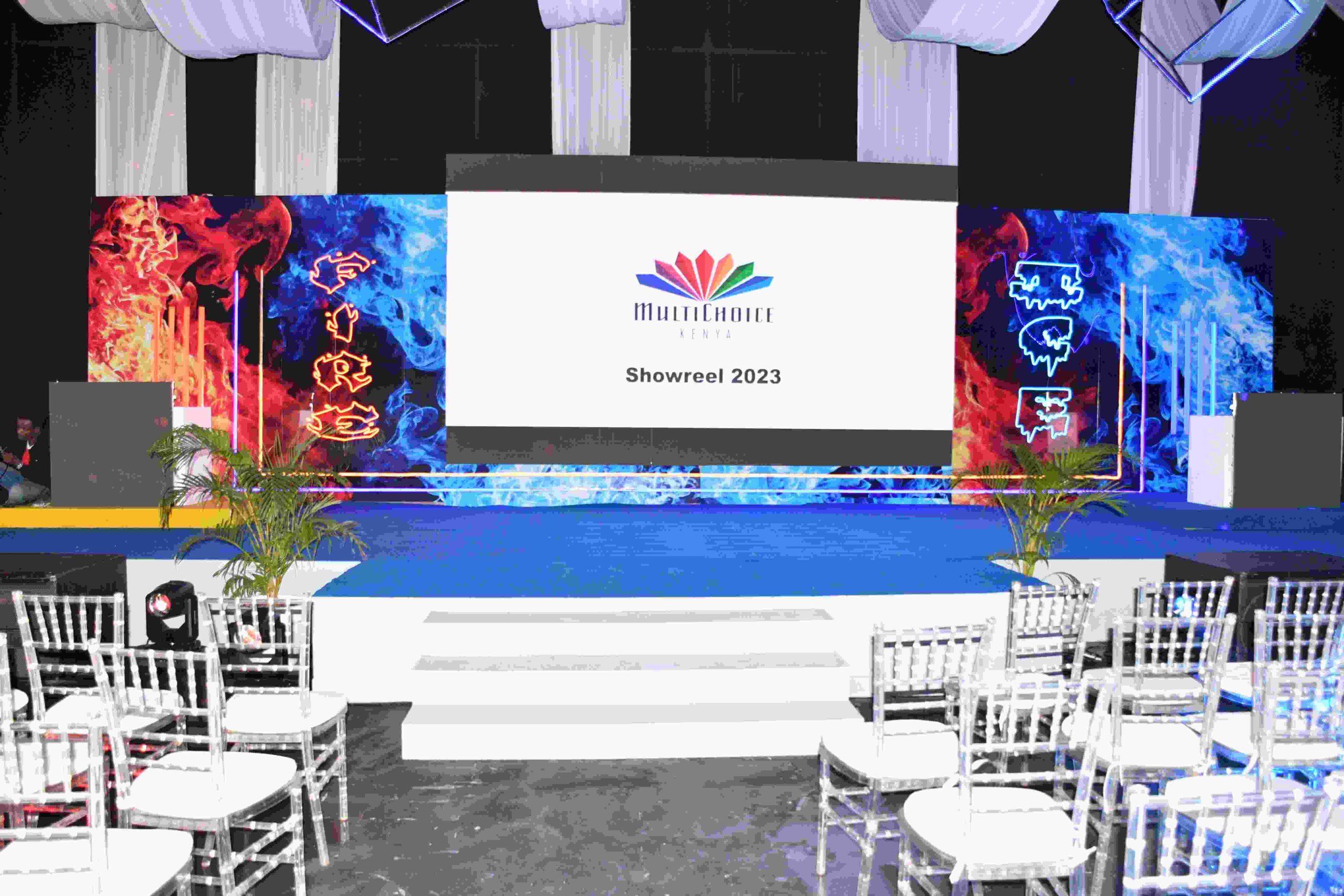
A live band changes the feel of a corporate night. People watch the stage, they sing along, they stay longer. It also brings more moving parts than a DJ: more people, more power, more sound to manage and a bigger chance that the first set starts late. This guide is about getting the music you want without the surprises.
- Decide what the band is for: background during dinner, the main event, or both. That sets the size and the budget.
- Confirm who provides the sound system and engineer. It is the most common gap in band quotes.
- Get the technical rider early and share it with the venue.
- Agree set times, breaks, overtime and the song list in writing.
Start with what the band is for
Most briefs we see say “a live band” and nothing else. That leaves the band guessing, and the quotes you get back will not be comparable. Before you call anyone, answer three questions.
- When will they play? Arrival and dinner, after speeches, or the whole night?
- What should guests be doing? Talking over soft music, or on the dance floor?
- Who is in the room? Age range, how mixed the audience is, and what they actually listen to. A room of 25-year-olds and a room of senior partners want different setlists.
A gala dinner often needs two moods: a quieter acoustic set while people eat and a full band later. Some bands can do both with the same line-up. Others will suggest a smaller group for the early part. Either works if it is planned.
Band formats and what they need
| Format | Suits | Space and sound |
|---|---|---|
| Solo or duo (vocals with guitar or keys) | Cocktail hours, dinners, smaller client events | Small corner, simple PA. Easy in hotels and restaurants. |
| Acoustic trio or quartet | Background music with some presence | A small riser helps. Light amplification. |
| Full band (drums, bass, guitar, keys, vocals) | Staff parties, galas, dancing | A proper stage, full PA, monitors, an engineer and a sound check slot. |
| Band with brass or extra vocalists | Large parties where the band is the headline | Bigger stage, more channels on the mixer, more set-up time. |
| Cultural or traditional ensemble | Openings, themed events, guest welcomes | Often acoustic. Check space for dancers. See our guide to booking traditional dancers. |
Think about repertoire as well as format. Many corporate audiences in Kenya enjoy a mix of Kenyan and East African favourites, Afrobeats, rhumba, Bongo, and familiar international songs. Ask the band for their standard setlist and which songs they will learn on request.
Sound, stage and power
Ask every band one question first: does your quote include the sound system and an engineer? Some bands come with their own PA. Some bring instruments only and expect the event to provide everything else. Some bring backline (drums, amps) but not front-of-house speakers. Two quotes can look far apart simply because one includes sound and the other does not.
The technical rider
A rider lists what the band needs: number of microphones, monitor speakers, power points, stage size, and sometimes dressing room and meals. Ask for it before you sign and send it to the venue and your sound supplier. If the stage is too small for a drum kit, you want to know in October, not at sound check.
Power
A full band with lights and PA draws a lot of power. At a garden or tent venue, ask about the generator and who fuels it. Power cuts in the middle of a set are hard to recover from. Our guide to garden venues in Nairobi has more on power at outdoor events.
Volume and cut-off times
Many venues near homes have a firm time when amplified music must stop. Tell the band before they plan their sets. Also agree a dinner volume. A band that is too loud while people eat is the most common complaint we hear about live music.
Sound check timing: a full band needs time to set up and check, and it is loud. Schedule it before guests arrive, and make sure the décor and catering teams know it is happening.
Booking, contracts and payment
Write down everything you agreed. A short contract or detailed invoice should cover:
- Date, venue, arrival time and sound check time.
- Number and length of sets, with breaks. Two or three sets with short breaks is common, but agree it rather than assume.
- Line-up: how many musicians and which instruments. A six-piece quoted should not arrive as a four-piece.
- What happens during breaks: a playlist, a DJ, or silence.
- Sound system and engineer: included or not.
- Overtime rate per hour, and the last time you can extend.
- Meals, drinks and transport for the band.
- Deposit, balance date and cancellation terms.
Public performance of music in Kenya is licensed through the collecting societies (MCSK, KAMP and PRISK). Ask the venue whether its licence covers live performance at your event. If not, clarify with your organiser who arranges it.
When comparing quotes, put them side by side on the same lines: musicians, hours, sound, transport, overtime. A band that looks cheaper may simply have left out the PA. The same logic applies to planner quotes, which we explain in how event planners charge.
What goes wrong on the night
A late first set
Usually caused by a late load-in or a sound check that ran into guest arrival. Fix it with a clear load-in time and a stage that is ready when the band arrives.
The handover gap
Speeches end, the MC hands over, and there is silence while the band tunes. Agree the cue with the MC and have the band on stage and ready before the last speech finishes. Our notes on choosing an MC cover briefing for handovers.
Wrong songs for the room
Share a short list of must-play and do-not-play songs. Include anything leadership has asked for, and anything that would be awkward at a company event.
Rain
Instruments, electrics and water do not mix. At outdoor events, the stage must be covered and the cables protected. December falls in the short rains, so plan for it.



Want live music without the headaches?
We handle stage, sound, power and the running order so the band can focus on playing. Tell us your date, headcount and the mood you want.
Quick answers
Is a live band better than a DJ for a corporate party?
It depends on the room. A band gives a stronger sense of occasion and works well for galas. A DJ is more flexible and easier on space and power. Many events use both, with the DJ covering band breaks and the late part of the night.
How long does a band usually play?
Bands commonly play two or three sets with short breaks, but there is no fixed standard. Agree the number and length of sets in writing.
Does the band bring its own sound system?
Some do and some do not. Always ask whether the quote includes the PA, monitors and a sound engineer, because this is the biggest difference between quotes.
How early should we book a band for December?
Start in August or September. Popular bands are booked early for December weekends, and you need time to plan stage and sound.


