
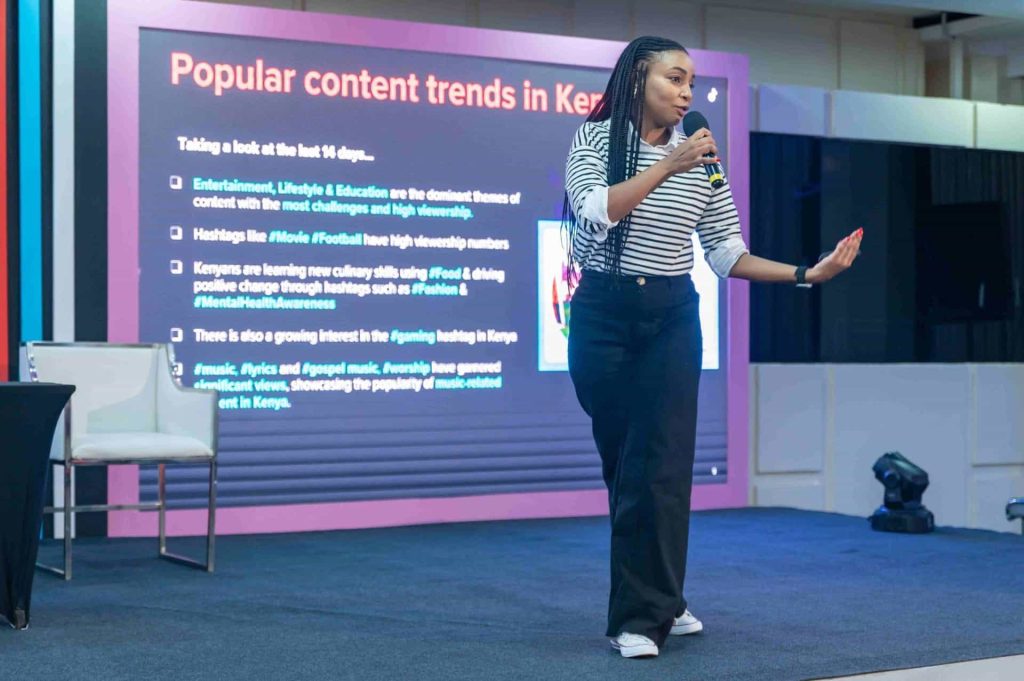
The first 20 minutes of a strategy session decide who speaks for the rest of the day. If the managing director talks first and longest, everyone else waits to agree. A good icebreaker changes that by getting every voice into the room early, on a topic that actually matters to the plan.
- For planning sessions, choose icebreakers that touch the work, not party games.
- Keep each one to 10 or 15 minutes. People came to plan.
- Make sure everyone speaks once, briefly, before the senior people dominate.
- Capture what comes up. A good icebreaker produces material you will use later in the day.
Why planning sessions need a different kind of icebreaker
At a team day, an icebreaker is there to relax people. At a strategy session it has a harder job. It needs to get people out of their daily inbox, put everyone on equal footing, and surface the assumptions they walked in with.
That rules out a lot of the usual material. Asking senior managers which animal they would be wastes their time and makes them sceptical about the rest of the day. The exercises below are light enough to start a session but produce real information.
Eight icebreakers and how to run them
1. One-word check-in
Go round the room. Each person gives one word for how they feel about the business right now, and one sentence on why. It takes about a minute per person. Write the words on a flip chart. You will often see a split between optimism at the top and worry lower down, and that split is worth discussing.
2. Headline from the future
Each person writes a newspaper headline about the company, dated two or three years from now, describing what success looks like. Read them out and cluster them on a wall. It gives you a first draft of shared ambition in ten minutes.
3. Rose, thorn, bud
Each person names one thing that went well in the last year (rose), one that hurt (thorn), and one opportunity they see coming (bud). Use three colours of sticky notes so you can group them afterwards. The thorns usually tell you where the plan needs most attention.
4. The number
Ask everyone to write down, privately, the single figure they think matters most to the business next year. Revenue, customer numbers, a margin, a market share. Then reveal them all at once. If the leadership team has five different answers, you have found your first agenda item.
5. Start, stop, continue
One sticky note each for something the company should start doing, stop doing and keep doing. Anonymous works better here. It is quick to sort and feeds directly into priorities.
6. The empty chair
Put an empty chair at the table and name it “the customer”. Ask each person what that customer would say about the company if they were in the room. It pulls the conversation outward, away from internal politics.
7. Pre-mortem
Ask the group to imagine it is a year from now and the plan has failed. Each person writes down why. This gives people permission to raise risks they would otherwise keep to themselves. Best used just before you finalise priorities, rather than at the very start.
8. Two truths and a lie, work edition
The classic, but each statement must be about the business: a customer fact, a number, a process. It is lighter than the others and good for groups that do not know each other well, such as a planning session that brings together regional managers.
| Icebreaker | Time | Best for | What you get out of it |
|---|---|---|---|
| One-word check-in | 10 min | Small leadership teams | Mood and tension in the room |
| Headline from the future | 15 min | Vision-setting sessions | A draft of shared ambition |
| Rose, thorn, bud | 15 min | Annual reviews | A quick review of the year |
| The number | 10 min | Leadership teams | Alignment, or lack of it |
| Start, stop, continue | 15 min | Larger groups | Ready-made priority list |
| The empty chair | 10 min | Customer-facing teams | Outside view of the business |
| Pre-mortem | 20 min | Before finalising plans | Risks people were holding back |
| Two truths and a lie | 15 min | Groups who are new to each other | Energy and shared facts |
Choosing the right one
Match the icebreaker to the stage of the session and to the group.
- Opening a session with a small senior team: one-word check-in or the number.
- Opening a session with 30 or more people: start, stop, continue, because it works in parallel and does not need everyone to speak aloud.
- After lunch, when energy drops: headline from the future, done standing up at a wall.
- Before committing to priorities: pre-mortem.
- A group that is tense after a hard year: rose, thorn, bud. It allows people to name the difficulties without the session turning into a complaint.
From experience: ask the most senior person to go last in any round. When they speak first, everyone else edits their answer to match.
Running it well
Before the day
Pick one icebreaker for the opening and one for after lunch. Prepare materials in advance: sticky notes in three colours, marker pens, flip charts and wall space. Check that the room allows you to stick things on the walls.
On the day
- Explain the purpose in one line. “This is to hear from everyone before we start” is enough.
- Give a time limit per person and keep to it politely.
- Model the answer yourself first if the group is hesitant, keeping it short.
- Photograph the outputs before anyone takes them down.
- Refer back to them later in the day. That shows the exercise was not filler.
The venue
Strategy sessions go better away from the office, where people cannot be pulled into meetings. A quiet room with natural light, space to stand and work at walls, and reliable Wi-Fi and power for a screen is all you need. Our guide to conference venues in Nairobi covers what to check, and our event planning checklist helps with the logistics.
If the planning session is part of a wider team retreat, mix in a few of the team building activities that improve communication or, if you are staying indoors, some of our indoor team building ideas.

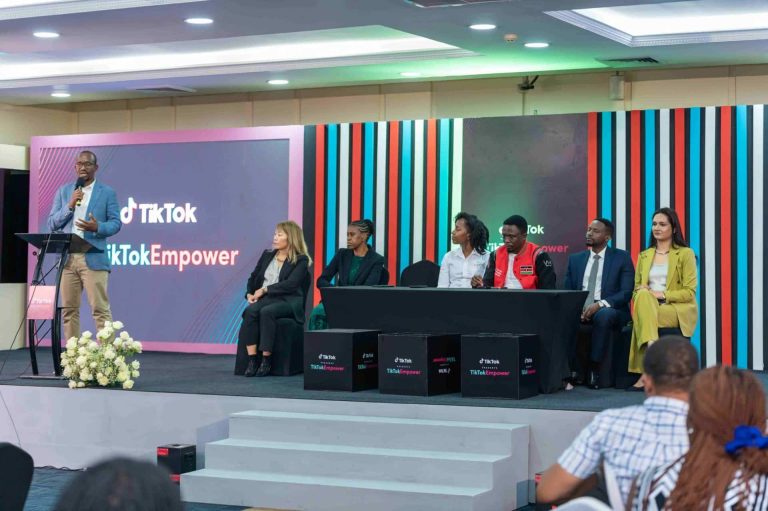

Planning a strategy retreat?
We can handle the venue, the room set-up, the materials, a facilitator and the team activities around the working sessions, so your leadership team can focus on the plan.
Quick answers
How long should an icebreaker take in a planning session?
Ten to fifteen minutes. Longer than that and people start to feel the session is not respecting their time.
What is a good icebreaker for senior executives?
Choose one that touches the business, such as the number or the one-word check-in. They are quick, they produce useful information, and nobody feels silly.
Should the CEO take part in the icebreaker?
Yes, but ask them to go last. When the most senior person answers first, others tend to repeat their view rather than give their own.
Can icebreakers work for virtual or hybrid planning sessions?
Yes. The number, start stop continue and headline from the future all work with a shared online whiteboard or a simple poll.


