

Most roadshow problems with the authorities are not about breaking the law on purpose. They come from assuming that an approval in one county covers the next one, or that the truck driver sorted it out. This guide sets out who to check with before your truck leaves Nairobi, in plain terms.
- Kenya has 47 counties and each sets its own rules for public spaces, branding and amplified sound. Plan approvals county by county.
- Inform local administration and the police in each town where you will gather a crowd.
- Vehicles, food sampling, music and personal data each have their own requirements.
- Keep copies of every approval in the truck. Officials will ask on the ground.
We are an activation agency, not lawyers. Rules and fees change and differ between counties, so treat this as a checklist of questions and confirm the details with each authority before you travel.
Why roadshow compliance trips people up
A mall activation deals with one landlord. A roadshow may deal with a dozen county governments in two weeks, each with its own offices, forms, fees and timelines. Some counties process applications quickly. Others need a visit in person and a few days’ notice.
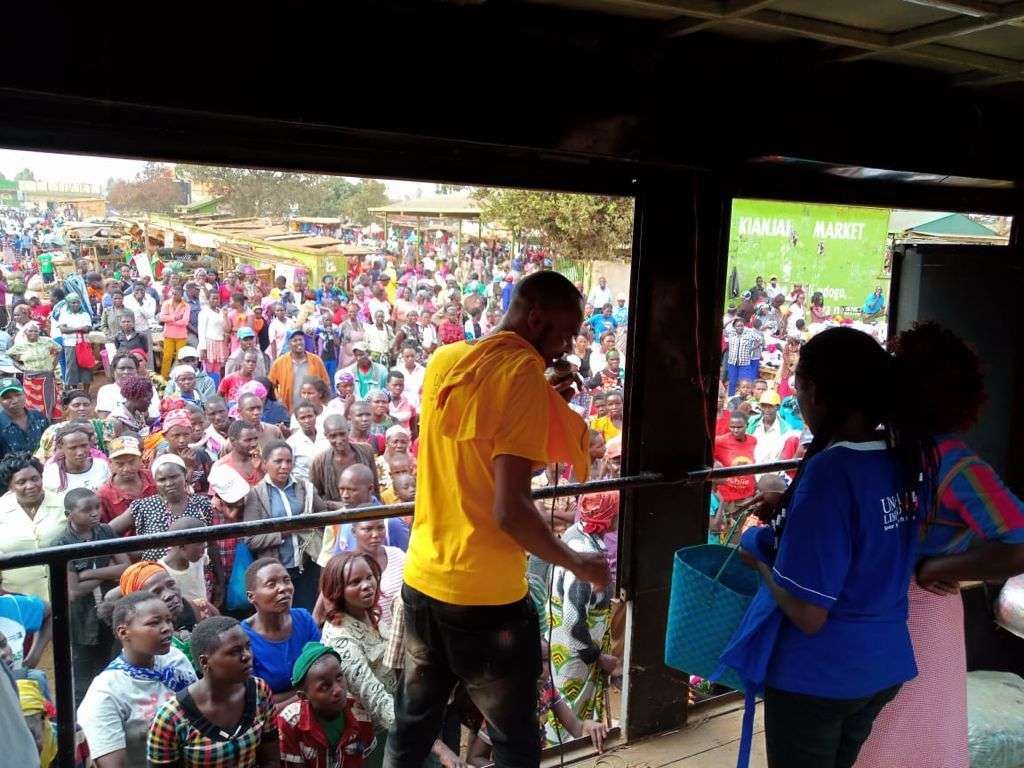
The other difficulty is that a roadshow combines several regulated activities at once: a branded vehicle on public roads, amplified sound in a public place, a crowd, often food or drink sampling, music, and frequently the collection of phone numbers. Each has a different owner.
Who to check with
| Area | Who to check with | What to ask |
|---|---|---|
| Use of public space and markets | The county government (often trade, markets or enforcement departments) | Whether you need a permit for the site, the fee, and how far ahead to apply |
| Branding and outdoor advertising | The county government | Whether a branded vehicle or temporary signage needs an advertising permit in that county |
| Amplified sound and noise | The county government, with NEMA setting national environmental standards | Permitted hours and any noise permit for public address systems |
| Public gatherings | Local police station and local administration (such as the chief’s office) | Whether notice is required and what security arrangements they expect |
| Food and drink sampling | County public health office | Food handling requirements and certificates for staff |
| Music played in public | Collecting societies MCSK, KAMP and PRISK | Whether your use needs a licence and who holds it |
| Personal data collected | Your own legal or compliance team, under the Data Protection Act 2019 | Consent wording, storage, and who can access the data |
The main areas to cover
County approvals
Start with the route, then list every county and every site. For each one, find out which office handles approvals, what documents they need and how long it takes. Typical documents include a company letter describing the activity, the dates and sites, the vehicle details and a copy of the company’s registration. Ask whether payment is made through the county’s own system and get official receipts.
Local administration and police
Even with county approval, call on the chief or the local administration and inform the police station nearest each stop. They know the market committees, local tensions and any other events that day. A courtesy visit the day before often solves problems that no permit can.
Vehicles and drivers
The truck must be roadworthy, insured for its commercial use and driven by someone licensed for that class of vehicle. If the vehicle has been modified with a stage or fold-out sides, check that the changes do not cause trouble at inspections or police checks. Ask your supplier for copies of all vehicle documents before the tour.
Noise
Amplified sound is the most common reason a roadshow gets stopped. Keep to daytime hours, point speakers away from schools, hospitals and places of worship, and turn it down when asked. An MC who argues with an officer can end a whole day’s stop.
Sampling and giveaways
Food and drink sampling usually requires staff who meet county food handling requirements, clean storage, and a plan for waste. Alcohol sampling is a separate and more tightly regulated matter, with age checks and responsible-drinking messaging required. Keep giveaways away from children unless the product and activity are suitable for them.
Music, content and data
If you play recorded music or use live performers in public, check licensing with MCSK, KAMP and PRISK. If you collect names or phone numbers, tell people why, get clear consent, and keep the data secure. Paper forms left lying in the truck cab are a risk.
From experience: budget time, not only money, for approvals. A two-day delay at one county office can push every later stop back, and crews, accommodation and radio slots are already booked.
What to carry in the truck
Keep a folder (paper and on a phone) with:
- County approvals and receipts for every stop on the route.
- A company introduction letter and contact details for a manager in Nairobi who can take calls.
- Vehicle registration, insurance and inspection documents.
- Driver licences and ID for all crew.
- Food handling certificates for staff who sample.
- Music licensing confirmation if applicable.
- A first-aid kit, fire extinguisher and an incident log.
Brief the supervisor to be polite, show documents quickly and call Nairobi if anything is disputed. Never let crew pay cash on the spot without an official receipt.
What goes wrong and how to avoid it
- Assuming one approval covers several counties. It almost never does. Plan each county separately.
- Applying too late. Start approvals as soon as the route is agreed, ideally three to four weeks before the first stop.
- Choosing a site without asking the market committee. Local committees control space even where the county has approved it.
- Crowd control as an afterthought. Plan barriers, an exit route and enough staff for the size of crowd you hope to draw, especially when giving away free items.
- Weak record keeping. Without receipts and copies, you may pay twice or lose a day.
For the planning side of a tour, including trucks, routes and activities, see our roadshow planning guide. For how roadshows sit alongside other formats, read experiential marketing services explained.


Want approvals handled for you?
We plan routes and handle county approvals, local notice and on-the-ground compliance as part of our roadshows. Tell us your regions and dates.
Quick answers
Do I need a permit for a roadshow in every county?
Usually yes. Each county sets its own rules for public spaces, branding and amplified sound, so check with each county on your route rather than relying on one approval.
How early should I apply for roadshow approvals?
Start as soon as the route is agreed. Three to four weeks before the first stop is a sensible minimum, because some counties need in-person visits and processing time.
Is NEMA approval needed for a roadshow?
NEMA sets national standards on noise and the environment, while counties usually handle day-to-day approvals for amplified sound. Ask the county which permits apply and keep noise within permitted hours.
Can we sample food or drinks on a roadshow?
Yes, with care. Check county public health requirements for food handling and staff certificates. Alcohol sampling is more tightly regulated and needs age checks and responsible-drinking messaging.


