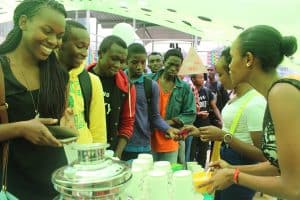
A mobile bar brings the drinks, the counter and the bartenders to wherever your party is: a garden, an office rooftop, a tent in someone’s compound. Done well, guests barely think about it. Done badly, it becomes a 20-minute queue, warm beer by 9pm and an argument about the bill the next morning.
- Decide how drinks are paid for first: open bar, capped tab, tokens or cash bar. Everything else follows.
- Agree who supplies the drinks and how stock is counted at the start and end.
- Ice, cold storage and enough bartenders matter more than a fancy counter.
- Check the venue’s rules on outside bars and corkage, and ask the bar company about licensing.
How the drinks get paid for
Choose this before you request quotes. It changes the price, the staffing and the mood of the evening.
| Model | How it works | Watch out for |
|---|---|---|
| Open bar | The host pays for everything guests drink, either per head or on consumption. | Costs are hard to predict on consumption. Set a closing time. |
| Capped tab | The host pays up to an agreed amount, then the bar closes or switches to cash. | Agree who is told when the cap is near, and what happens next. |
| Drink tokens or vouchers | Each guest gets a set number of tokens. Extra drinks are paid for by guests or not available. | Tokens get traded and lost. Print them so they cannot be copied easily. |
| Cash bar | Guests buy their own drinks, often by M-Pesa. | Feels less generous at a staff party. Needs reliable M-Pesa and network. |
| Hybrid | Soft drinks, water and a welcome drink are free; alcohol on tokens or cash. | Make the rules clear on signage so bartenders are not arguing with guests. |
For most company parties we suggest a hybrid: free water and soft drinks all night, a welcome drink, then either tokens or a capped tab for alcohol. It keeps costs predictable without looking mean.
Who supplies the drinks
There are two common arrangements.
The bar company supplies everything
They bring drinks, mixers, ice, glassware and staff, and charge per head or per drink served. Simple to manage. Ask for a price list per drink and per bottle so you can check the final bill.
You supply, they serve
You buy the drinks and the bar company provides bartenders, equipment, ice and mixers. This can save money and lets you choose the brands. It needs a proper stock count: bottles counted and signed for before the bar opens and again at close. Without that, nobody can explain where the missing stock went.
Count it twice. Whatever the model, agree a stock sheet. One person from your side and one from the bar company sign it at the start and the end. It takes ten minutes and removes most billing disputes.
If the event is at a venue, ask the venue whether outside bars are allowed at all. Many hotels and restaurants insist on their own bar, and some charge corkage per bottle brought in. This changes the numbers, so check before you choose a mobile bar.
Ice, staff and set-up
Ice and cold storage
Running out of ice is the most common bar failure we see. Ask how much ice the bar company plans to bring, where it will be stored, and whether there is a fridge, cooler or cold room for beer and soft drinks. At an outdoor event in the afternoon heat, ice melts fast.
Bartenders
Queues kill a party. Ask how many bartenders they plan for your headcount and how they set the number. A busy open bar needs more staff than a cash bar where guests pay, and cocktails take much longer to make than beer. A second serving point helps at large events.
Space, power and water
The bar needs a level spot, power for fridges, lights and card or M-Pesa devices, and access to clean water for washing glasses or a plan for disposables. Keep it away from the dance floor speakers and the main walkway, but where guests can see it.
Glassware
Glass looks better and is better for the environment. It also breaks. Ask who pays for breakages and whether the bar collects and washes glasses during the event. At outdoor events with children present, consider durable reusable cups.
Branding
A branded bar front, menus and cups are easy wins for a company party or product launch. Ask what branding space the bar has and the deadline for artwork.
Licences, venue rules and responsible service
Selling alcohol in Kenya requires a liquor licence issued at county level. If guests pay for drinks, ask the bar company how they are licensed for your event and location. If the host is paying and nothing is sold, the position may differ, so confirm with the bar company and the venue rather than assume.
Responsible service is part of the job:
- No alcohol for anyone under 18. If families attend, brief bartenders and consider wristbands.
- Water and non-alcoholic options available all night, and not as an afterthought. Good mocktails get drunk.
- Food served before the bar gets busy.
- A firm closing time, announced 30 minutes in advance.
- Transport home. For staff parties, arrange shuttles or a ride-hailing budget, and make it known.
Questions to ask a mobile bar company
- What exactly does the quote include: drinks, mixers, ice, glassware, bar counter, staff, transport?
- How many bartenders for our numbers and service model?
- How do you count stock and bill at the end?
- How do you handle breakages and lost glassware?
- What do you need from the venue: power points, water, space, set-up time?
- What happens if it rains? Is the bar covered?
- Can you serve a non-alcoholic menu as well as the main bar?
- What is the deposit, the balance date and the cancellation policy?
The bar is one part of the food and drink plan. Read our guide to choosing a caterer in Nairobi so the two suppliers work together, and our notes on end-of-year party venues before you lock in a location.

Planning a party with a bar?
We coordinate venue, catering, bar, entertainment and transport as one plan, with a line-by-line budget. Send us your date, numbers and venue.
Quick answers
Is an open bar or cash bar better for a staff party?
Most companies choose something in between: free soft drinks and water, a welcome drink, then tokens or a capped tab for alcohol. It feels generous and keeps the cost predictable.
Can I buy my own drinks and hire bartenders?
Often yes, if the venue allows outside drinks. Agree a stock count at the start and end, and check whether the venue charges corkage.
Does a mobile bar need a licence?
Selling alcohol in Kenya requires a county liquor licence. Ask the bar company how they are licensed for your event, and confirm the venue’s own rules.
What is the most common mobile bar problem?
Running out of ice and cold drinks, followed by long queues from too few bartenders. Ask about both before you book.