Events · Guide
Product Launch Events in Kenya: Costs, Timeline, Media
A product launch in Kenya is costed around the moment the product appears. The reveal mechanic alone runs KES 50,000 to 400,000, and stage, rigging and lighting carry the rest of the budget.
What a launch costs
- Venue hire
- 23,000 – 431,000
- Stage, rigging and lighting
- 58,000 – 1,200,000
- The reveal mechanic
- 50,000 – 400,000
- Hospitality, per guest
- 5,000 – 5,500
Kenya shillings, VAT included at 16 per cent. Published venue, supplier and operator rates for Nairobi, reviewed August 2026. Red Giant planning and management is quoted separately and is not in these figures.
Get a costed plan WhatsApp usor call +254 702 826 207
- 4.7 Google rating
- 14+ years running events in Kenya
- Every line costed — nothing hidden
Starlink · Mastercard · MultiChoice · Safaricom · Kenchic

A product launch event in Kenya typically costs from about KES 400,000 for a press briefing of 40 to 80 guests to KES 1.5 million to 5 million for a staged trade launch of a few hundred people. Plan eight to twelve weeks ahead, budget media and influencers separately, and clear noise, music and photo-consent requirements early.
- Pick the format from the audience you need to move: journalists, dealers, staff or the public.
- The reveal moment and the content you capture matter more than the size of the room.
- Do not pay journalists to attend. Give them a story, a morning slot and a ready press kit.
- Get photo consent in place before the doors open. Kenya’s data regulator has already penalised a company over a marketing photo used without consent.
Which product launch format should you choose?
Choose the format from the people whose behaviour you need to change first. A loan product that depends on branch staff needs an internal launch before a public one; a snack that lives or dies on shelf needs distributors in the room before consumers.
| Format | Best for | Typical guests | Watch out for |
|---|---|---|---|
| Press briefing | News value: a new service, partnership or programme | 20 to 80 | Clashing with a big news day |
| Trade or dealer launch | Products sold through distributors, agents or retailers | 100 to 300 | Travel for upcountry partners |
| Internal launch | Banking, insurance and telco products staff must explain | Staff, often in several regions | Treating it as a party instead of training |
| Consumer launch | Mass products where trial and buzz matter | Hundreds to thousands | Crowds, permits, weather, security |
| Premiere or screening | Shows, films, music and content brands | Cast, media, creators, fans | Talent timings and photo rights |
| Roadshow or launch tour | Several towns after the main launch | Shoppers in each town | County approvals in every town |
Many brands run a Nairobi press or trade event, then a public tour. If you want shoppers to touch the product, a mall activation does that better than a stage. A book launch is the same plan at a tenth of the scale: a reading, a signing table and a reason for press to come.
How much does a product launch event cost in Kenya?
Typical ranges we see in 2026 run from about KES 400,000 for a press briefing to KES 1.5 million to 5 million for a trade launch, and past KES 10 million for consumer launches with talent or several towns. Guest count, venue and the reveal set move the number most.
These are general market ranges built from published Kenyan supplier prices, not our fixed prices. VAT is extra.
| Budget line | Typical range we see in 2026 (KES) | What moves the price |
|---|---|---|
| Venue hire | 75,000 to 400,000 | Day of week, compulsory catering, set-up the night before |
| Food and drink, per guest | 1,500 to 4,000 | Cocktail or seated, hotel or outside caterer, bar package |
| Stage, sound, lighting, LED screen | 80,000 to 600,000 | Screen size, rigging, livestream |
| Set, branding and reveal | 125,000 to 600,000 | Custom fabrication, product display, photo wall |
| Photography and video | 120,000 to 550,000 | Crew size, same-day edits, social cut-downs, drone |
| MC | 15,000 to 40,000 (working corporate MC) | Well-known TV and radio names quote individually and far higher |
| DJ or entertainment | 30,000 to 80,000 for a DJ | Live acts, artist profile, travel |
| Influencers | About 11,000 to 100,000 per creator | Following, posts, usage rights; top names far higher |
| Permits and licences | 15,000 to 250,000 | Public space, noise, music, outdoor branding, number of counties |
| Agency management | 150,000 to 500,000, or a percentage | Scope, suppliers, towns, creative development |
Rough totals: a press briefing for 40 to 80 guests runs about KES 400,000 to 1.2 million; a trade launch for 100 to 300 about KES 1.5 million to 5 million; a consumer launch or premiere with talent from about KES 3 million. Add 10 percent contingency and ask for an itemised written quote. Our equipment hire guide lists rental prices line by line.
From experience: overruns rarely come from the big items. They come from 50 extra guests confirmed in the final week, a second screen requested on the day, and overtime when speeches run long.
How far ahead should you plan a product launch?
Allow eight to twelve weeks for a staged launch and four to six for a press briefing. Lock the date and venue first.
- Weeks 12 to 8: objective, audience, budget, agency brief, venue. Check the date against public holidays and confirm the product’s own regulatory approvals before printing a date.
- Weeks 8 to 6: concept sign-off, reveal design, MC and talent holds, influencer shortlist, permit applications.
- Weeks 6 to 3: trade and VIP invitations, fabrication, run of show, shot list.
- Weeks 3 to 1: media invitations, press kit, rehearsal, final numbers, consent notices.
- The 48 hours after: photos to media, social content that evening, follow-up calls.
October to December is the hardest window: venues are full of end-of-year parties and the short rains make outdoor plans risky.
How do you get media to cover a launch in Kenya?
Give journalists a real story, a morning slot and a press kit they can use straight away. Do not pay them to attend: the Code of Media Practice bars journalists from accepting payments or gifts from people seeking to influence coverage.
The same 2025 Code requires sponsored content to be labelled and kept separate from editorial. If you need guaranteed placement, buy a labelled advertorial.
- Finish before midday so reporters can file for evening bulletins and the next day’s papers.
- Run a media desk with a sign-in sheet, the release and a named contact.
- Have spokespeople ready for interviews straight after the reveal, with a quiet corner for radio.
- Email the press kit: release, fact sheet, high-resolution photos, spokesperson titles, any embargo.
- Send photos within three hours. Online desks run whatever pictures they have.
For media lists and follow-up, see how to choose a PR firm in Kenya.
How much do influencers charge in Kenya?
A survey of Kenyan influencers found rate cards mostly between KES 11,000 and KES 100,000 per endorsement, and a 2026 creator-economy report put high-end sponsored posts at up to about KES 500,000. Audience fit matters more than follower count.
Five creators who genuinely use the category usually beat one celebrity post. Put these in writing:
- Deliverables: posts, stories, videos, platforms and posting window.
- Usage rights: whether you can reuse their content in ads, and for how long.
- Disclosure: paid posts say they are paid. The Code of Media Practice requires disclosure of payment or free products behind endorsements.
- Claims: you check product facts; you do not rewrite their voice. Alcohol, betting and financial products carry extra advertising rules.
Ambassadors on the floor are a different job; see our brand ambassador hiring guide.
What permits does a product launch need in Kenya?
A launch inside a licensed venue usually needs no special event permit, but you may still need a noise permit, a music licence, county approval for public space or branding, and photo consent. Public-space launches need the most paperwork, so start four to six weeks out.
| Item | Who handles it | When it applies |
|---|---|---|
| Noise permit | NEMA (2009 noise regulations) and county noise units | Amplified sound outdoors or at night. Ask if the venue holds one. |
| Music licence | MCSK, KAMP and PRISK | Recorded or live music in public. Many venues do not cover it. |
| Police liaison | Local police station | A purely commercial launch is an “excluded meeting” under the Public Order Act, so the rally notice rule does not apply, but you can request a police presence. Do so for public spaces. |
| Public space and outdoor branding | County government | Parks, streets, open grounds, banners outside the venue; every county on a tour. |
| Filming licence | Kenya Film Classification Board (KFCB) | The Films and Stage Plays Act requires a filming licence; confirm with KFCB if footage becomes broadcast or ad content. |
| Drones | Kenya Civil Aviation Authority (KCAA) | Commercial drone use falls under the 2020 unmanned aircraft regulations. Hire an approved operator. |
| Photo and video consent | You, under the Data Protection Act 2019 | Guests, staff or ambassadors appearing in marketing content. |
The consent point is not theoretical. In January 2025 the Office of the Data Protection Commissioner ordered a company to pay KES 500,000 to a sales agent whose photo it used in marketing flyers without proof of consent. Post a notice at the entrance, offer an opt-out, get signed releases from anyone featured in ads, and get a parent’s consent for children. Giveaways with prizes may need regulatory clearance; check with your lawyer.
What makes a launch event work on the day?
One clear reveal moment, a short programme and a plan for the content you will use afterwards. The room is forgotten by Monday; the photos and video keep working for months.
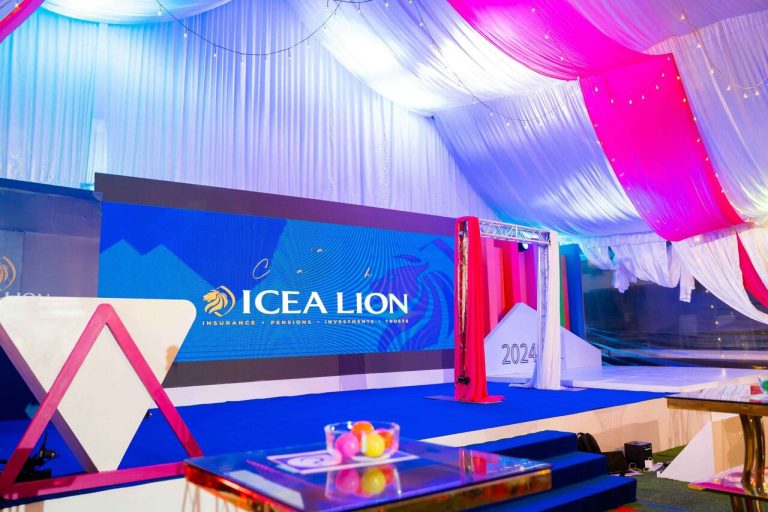
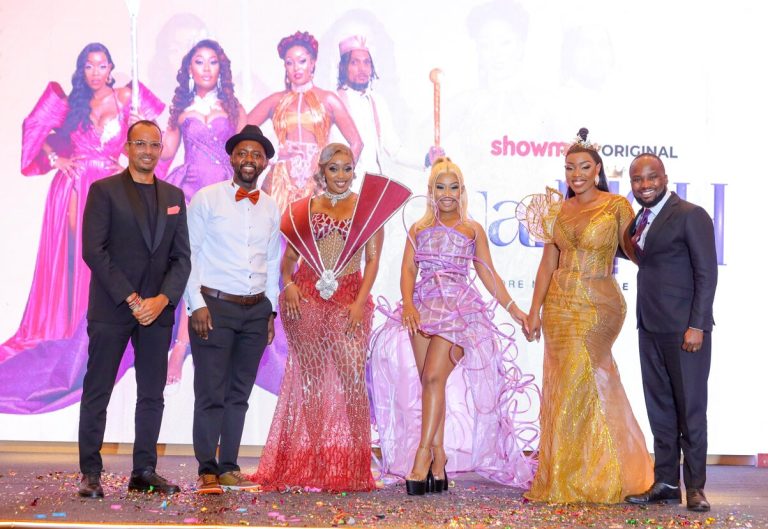
Red Giant Media is Nairobi-based, running events since 2014, and the pattern holds across very different briefs. We produced the Safaricom Get Hook’d launch at Eldoret Sports Club, with brand ambassadors and a Wowzi activation on site. For MultiChoice we have run premiere launches for Faithless, Zari and Ka-siri, The Real Housewives of Nairobi and Oh Sister. We also produced the ICEA Lion thematic brand launch, the Tunga Nutrition launch, the NipNap relaunch, the NaiRich launch and the Nairobi County Early Childhood Development Programme launch.
- Keep the programme under 90 minutes from welcome to reveal. Three speeches is usually one too many.
- Rehearse the reveal on the set with the executives doing it.
- Agree a shot list with the photographer and video team before the day.
- Plan guest flow so the bar queue never blocks the product display.
- Have a weather plan for anything outdoors in March to May or October to December.
How to brief a product launch agency (what to send)
Send a one-page brief with the objective, audience, date, budget range and product story.
| Send this | Why it matters |
|---|---|
| Product, launch date, any embargo | Sets the timeline and what can be shown early |
| Objective: coverage, orders, sign-ups or staff readiness | Decides the format and how success is measured |
| Guest count split by media, trade, VIP, staff, public | Drives venue, catering and invitations |
| Budget range, with or without media and influencers | Gets a proposal you can actually approve |
| Brand guidelines and key messages | Shapes the set, reveal and script |
| City, venue ideas, towns for a follow-on tour | Affects logistics, permits and crew travel |
| Category rules and content you need afterwards | Avoids unusable claims; books the right crew |
Red Giant Media has worked with brands including Safaricom, MultiChoice Kenya, Family Bank and Co-operative Bank. To get a proposal, see our product launch event services and send the brief above.

Planning a launch?
Send us the product, date, audience and a budget range. We will tell you which format fits and what it will realistically cost.
Quick answers
How much does a product launch event cost in Kenya?
Typical 2026 ranges run from about KES 400,000 for a press briefing of 40 to 80 guests to KES 1.5 million to 5 million for a trade launch of 100 to 300. Consumer launches with talent or several towns can pass KES 10 million.
How far in advance should I plan a product launch event in Kenya?
Allow eight to twelve weeks for a staged launch and four to six weeks for a press briefing. Venues and well-known MCs book up early, especially from October to December.
Do I need a permit for a product launch in Kenya?
A launch in a licensed venue usually needs no special event permit, but you may need a noise permit, a music licence, county approval for public space or outdoor branding, and photo consent.
How much do influencers charge in Kenya for a launch?
A survey of Kenyan influencers found rate cards mostly between KES 11,000 and KES 100,000 per endorsement; high-end sponsored posts reach about KES 500,000. Agree deliverables, usage rights and disclosure in writing.
Should I pay journalists to attend my launch?
No. The Code of Media Practice bars journalists from accepting payments or gifts from people seeking to influence coverage. Offer a clear story, a morning slot and a press kit, and buy labelled advertorial space if you need guaranteed placement.
Can I post photos of guests from my launch on social media?
Get consent first. Images are personal data under the Data Protection Act 2019, and the Data Protection Commissioner has ordered compensation over a marketing photo used without proof of consent. Use entry notices and signed releases.