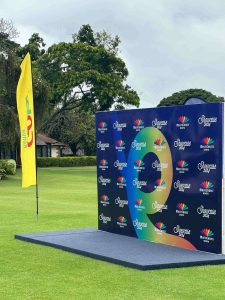
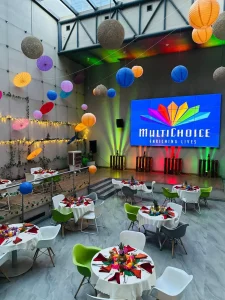
The Nairobi International Trade Fair, which most people still call the Nairobi ASK Show, puts hundreds of exhibitors and a week of very mixed crowds into one showground. Done well, a stand there sells, signs up and builds a database. Done badly, it is a tent full of tired staff handing out flyers to schoolchildren.
- The fair is organised by the Agricultural Society of Kenya (ASK) at Jamhuri Park, Nairobi, usually in late September or early October. The 2026 edition ran from 28 September to 4 October.
- Decide what one result you want from the week (sales, sign-ups, dealer leads) before you pick a stand.
- Plan for sun, dust, the odd shower, long days and weekend crowd surges.
- Capture leads digitally with consent, and follow them up within a week of the show.
What is the Nairobi International Trade Fair and when is it held?
It is the Agricultural Society of Kenya’s annual show in Nairobi, held at the Jamhuri Park showground, usually over about a week in late September or early October. The 2026 fair ran from 28 September to 4 October.
ASK runs agricultural shows in several regions through the year, but the Nairobi event is the largest and the one with the “International Trade Fair” name. Agriculture is still the core, and the fair now also covers manufacturing, finance and insurance, technology, education, construction, energy and government services. Coverage of the 2026 edition reported more than 500 exhibitors expected and participation from over 25 countries.
For 2027, ASK had not published dates when we checked. Expect a similar window and confirm the dates and exhibitor deadlines directly with ASK before you commit a budget.
Is it worth exhibiting at the Nairobi Trade Fair?
Yes, if your product sells to ordinary Kenyan households, farmers or small businesses and you can turn a crowd into sign-ups. It is less useful for narrow B2B products that need a quiet meeting room.
The audience is broad. Weekdays bring school groups, farmers, government staff and business visitors. Weekends bring families and much bigger crowds. That makes it a strong place for sampling, demos, account opening, device sales and agent recruitment, and a weak place for a long technical pitch.
- Good fits: food and drink, agri-inputs and equipment, banks and SACCOs, insurers, telcos and fintech, solar and energy, consumer electronics, education and training.
- Harder fits: enterprise software, industrial supplies sold to a handful of buyers, anything where the buyer is not walking the showground.
The exhibitors who get the most from it usually treat the week as a short BTL activation with a fixed site, not as a static display.
How do you choose and build a stand for the ASK Show?
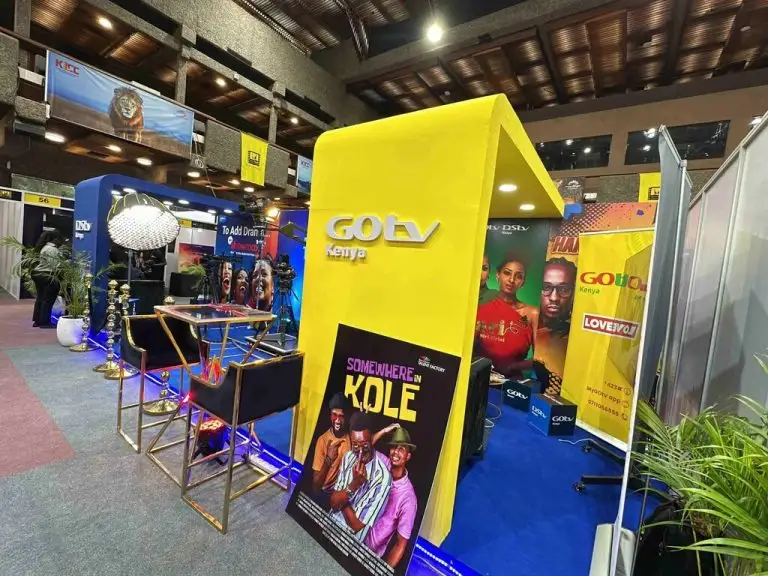
Pick the space type first, then design for heat, dust and crowds rather than for the rendering. Your stand has to work at 11am on a hot Saturday with three hundred people outside it.
| Space type | Best for | Watch out for |
|---|---|---|
| Standard booth or shell scheme | First-time exhibitors, SMEs, a simple product display | Limited height and branding area, shared walls, little storage |
| Open ground (raw space) | Machinery, vehicles, live demos, a custom-built stand | You supply everything: flooring, shade, power, walls and security |
| Permanent stand or building | Organisations that exhibit every year | Upkeep between shows, and the build still needs refreshing each year |
| Space inside a shared pavilion | Small firms exhibiting under a sector, county or country group | Less control over the look and the location |
What the build has to handle
- Shade and air. An open-sided stand in the sun becomes uncomfortable by midday. Plan roofing, fans and a shaded queue.
- Flooring. Raised flooring keeps out dust and water if the short rains arrive early.
- Storage. A lockable back room for stock, giveaways, bags and water. Without it, the front counter becomes the store.
- Power. Confirm what power is supplied and bring backup for screens, card machines and phone charging.
- Flow. One way in, one way out, and a demo area that does not block the entrance.
Show rules on structure height, branding, electrical work and fire safety are set by the organiser. Our guide to expo booth design and exhibition rules in Kenya covers what to check and how to get a build approved without last-minute changes.
From experience: design the stand around one action you want visitors to take, such as scan, register, taste or buy. If you cannot point to the spot on the plan where that happens, the design is not finished.
How many people should staff a trade fair stand?
Plan for at least two shifts a day, with enough people on each shift to have one person greeting, one or two demonstrating or selling, and one capturing details. Add more for the weekend.
- Mix your team. Trained brand ambassadors draw people in and manage the crowd. Your own sales or technical staff close and answer the hard questions. You need both.
- Languages. Swahili and English as a minimum. If you expect visitors from a particular region, someone who speaks the local language helps.
- Brief everyone on day one. The offer, the price, the three most common questions and what to do with a complaint.
- Look after them. Water, meals, shaded breaks and comfortable shoes. Energy on the stand drops sharply after day three if nobody plans this.
Our guide to working with a brand activation company explains how to brief and manage promoters if you are hiring them for the week.
How do you capture leads at the Nairobi Trade Fair?
Use a short digital form on tablets or a QR code, ask only for what you will use, and record consent. A box of paper slips is not a lead list.
- Keep the form to four fields. Name, phone, county and what they are interested in. Every extra field loses people in a crowd.
- Get consent properly. The Data Protection Act 2019 applies to personal data you collect at a show. Say what you will use it for and get a clear yes, especially before you send SMS or WhatsApp messages.
- Give a reason to sign up. A show-only price, a free consultation, entry into a draw run within the rules, or a sample.
- Tag leads by quality. A simple hot, warm or cold tag lets your sales team call the right people first.
- Count every day. Visitors engaged, sign-ups, sales and stock used. Daily numbers let you fix a weak stand on Wednesday, not after the show.
- Follow up within a week. Interest fades fast after a show week.
What should exhibitors plan for at Jamhuri Park?
Plan the build, access and security as carefully as the stand design. Most problems at a show come from deliveries, passes and power, not from the booth itself.
| When | What to have done |
|---|---|
| 3 to 4 months before | Contact ASK, confirm dates, space options and deadlines. Set the objective and budget. |
| 8 to 10 weeks before | Book space. Brief the stand designer and builder. Start recruiting stand staff. |
| 4 to 6 weeks before | Approve the design and submit any drawings the organiser needs. Order print, giveaways and stock. |
| 2 weeks before | Train staff. Test the lead form. Confirm gate passes, vehicle access and build times. |
| Build days | Build, test power and screens, do a full run-through with staff. |
| Show week | Daily briefings, stock counts, lead counts and a cleaning routine. |
| Within a week after | Break down, return hired items, follow up every lead, write a short report. |
- Security. The 2026 fair had a police station set up on the showground alongside private security. Even so, never leave stock or screens on a stand that is not locked up overnight.
- Waste. NEMA asked 2026 exhibitors to cut single-use plastics and separate recyclables. Plan bins and avoid plastic giveaways that end up on the ground.
- Traffic and parking. The roads around the showground jam at weekends. Move stock in early in the morning, and give staff a fixed arrival time and a transport plan.
- Payments. If you sell on the stand, set up M-Pesa till or paybill payments and test them on build day.
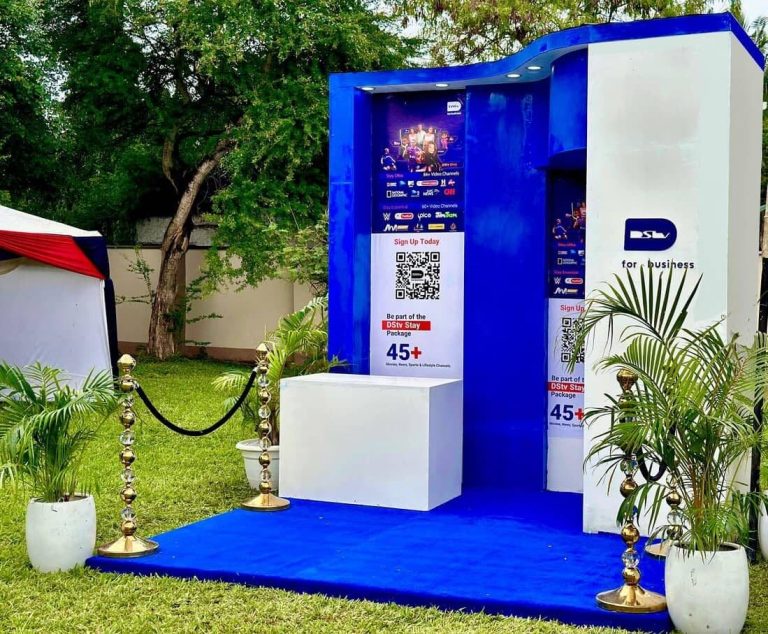
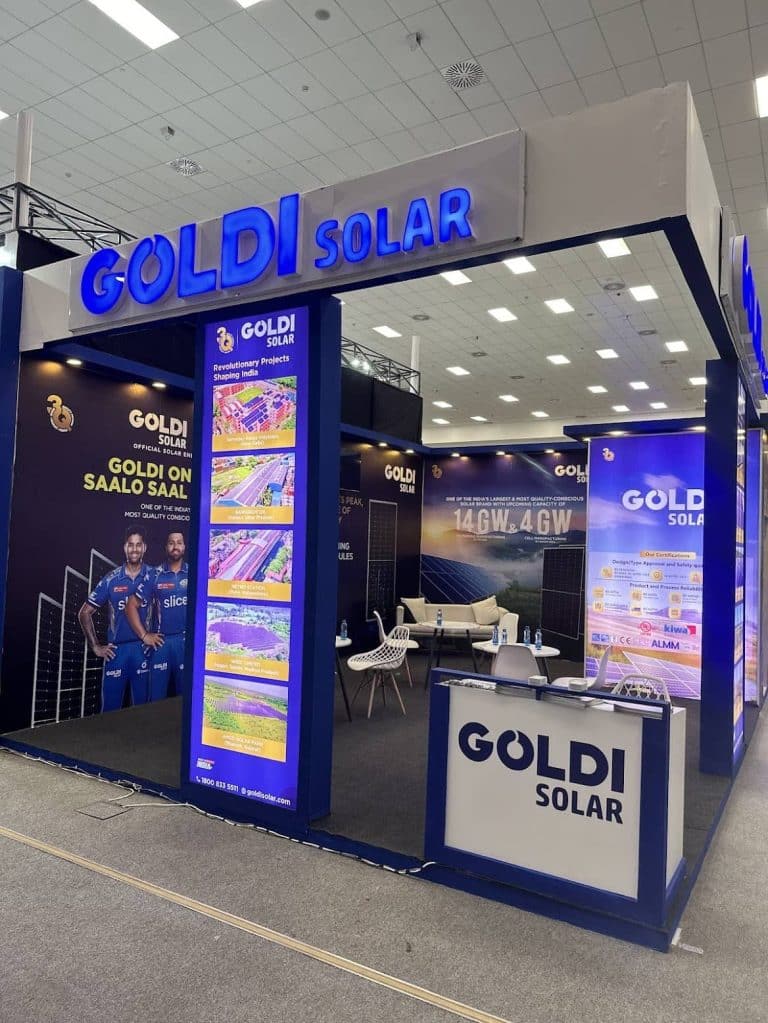
Red Giant Media has designed and built exhibition booths and staffed activations across Kenya since 2014, and these are the points we check first for any client exhibiting at a show.
Exhibiting at the next Nairobi Trade Fair?
Tell us your objective and the space you are considering. We can design and build the booth, supply trained stand staff and set up lead capture, or handle just the part you need.
Quick answers
Who organises the Nairobi International Trade Fair?
The Agricultural Society of Kenya (ASK). It is held at the Jamhuri Park showground in Nairobi and is often called the Nairobi ASK Show.
When is the Nairobi International Trade Fair held?
Usually in late September or early October, over about a week. The 2026 fair ran from 28 September to 4 October. Confirm future dates with ASK, as they are set each year.
How do I book a stand at the Nairobi ASK Show?
Contact the Agricultural Society of Kenya directly for the exhibitor application, space options, rates and deadlines. Start about three to four months before the show so you have time to design and build.
How far in advance should I prepare for the trade fair?
Start three to four months ahead. Book space and a stand builder eight to ten weeks before, approve the design four to six weeks before, and train staff in the last two weeks.
What is the best way to get leads at a Kenyan trade show?
Use a short digital form or QR code with four fields, record consent under the Data Protection Act 2019, offer a show-only reason to sign up, and follow up every lead within a week.